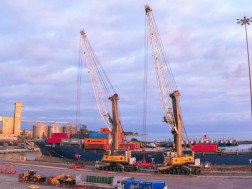


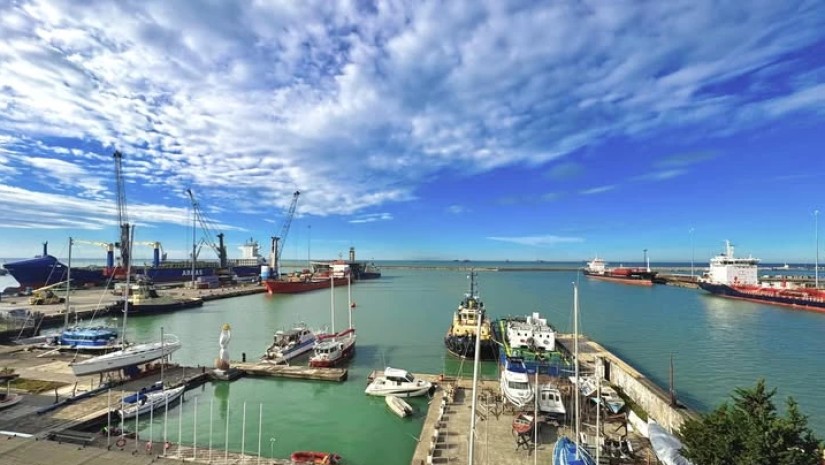

APM Terminals in Poti reported a strong 5% growth in container traffic in the first quarter of 2026 compared to the same period last year. A total of 153,462 TEUs were processed, a rise from 146,468 TEUs in 2025 and 126,512 TEUs in 2024. Additionally, the port received 94 container vessels since the start of the year, up from 81 in 2025 and 74 in 2024. This increase reflects both higher demand and the port’s growing significance in the regional shipping landscape.
The cargo volume for the first quarter of 2026 reached 63,758 tons, a notable improvement over the 37,281 tons handled in 2024, although slightly down from 82,369 tons in 2025. The growth in container throughput and the number of vessels underscores the port’s expanded capacity and operational efficiency. Zviad Chkhartishvili, head of the Poti Seaport Administration, attributed part of this surge to the shifting cargo routes driven by geopolitical conflicts in the Middle East, which are diverting more shipments through the Georgian corridor.
Looking at long-term trends, Chkhartishvili pointed out that 2025 saw a 17% increase in container volumes compared to 2024. He highlighted that the two main drivers of this growth were the redistribution of trade due to the Russia-Ukraine war and the increasing shift toward containerization, which has made shipping more efficient. Chkhartishvili is optimistic that these trends will continue, with further growth expected in the second half of 2026, particularly as Central Asian cargo flows move through Georgia's route.
Despite these positive trends, APM Terminals faces infrastructure challenges, with current facilities operating near full capacity. The company has been pushing for improved operational efficiency, but the delay of a new port project—originally planned for completion within two years—has posed significant obstacles. Chkhartishvili emphasized the importance of upgrading port infrastructure to keep pace with growing demand and to establish Georgia’s shipping corridor as a key global trade route.