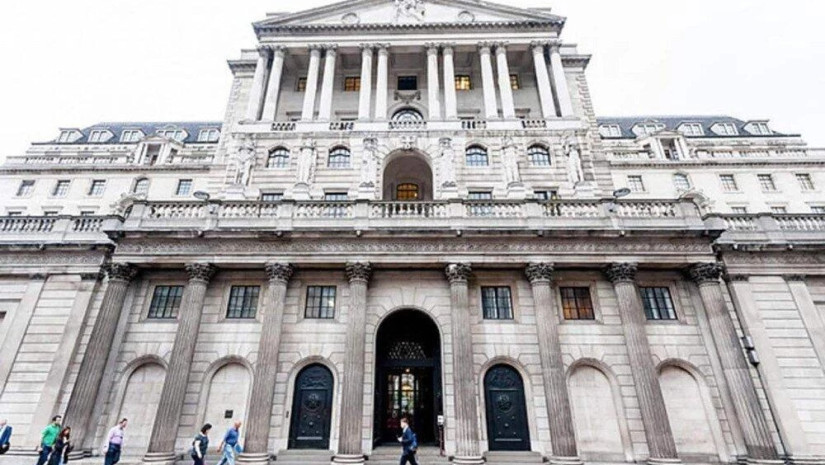

The Bank of England has pushed interest rates up 0.5 percentage points in response to a spike in inflation that it said will hit 13% in October, despite predicting a prolonged recession.
In the worst outlook for the economy since the 2008 banking crash, the central bank said the UK would enter recession in the final quarter of this year, but raised interest rates to 1.75% in an attempt to tackle soaring inflation. It was the biggest jump in borrowing costs in 27 years.
Bank officials said a rise in the energy price cap to an expected £3,500 in October would be the main reason for the jump in inflation to 13% – its highest since 1980 – although the continuing supply chain disruption hitting global trade was another major factor in pushing up prices.
The longest recession since 2008 would begin by the end of this year, it added, with the economy contracting throughout 2023. The prolonged downturn is expected to push the unemployment rate from 3.8% to 5.5% by 2024, and will feature a record fall in living standards next year.
In a blow to the next prime minister’s ambitions to grow the economy, the Bank said gross domestic product would contract by 2.1% over five consecutive quarters to leave the UK growth rate negative in both 2023 and 2024.
The chancellor Nadhim Zahawi is also expected to come under immediate pressure to alleviate the worst effects of inflation, which is currently at 9.4%, on poorer households in an emergency budget.
The Treasury has said it will wait to see how much the regulator Ofgem says the energy price cap must rise by in October before deciding how much extra help to offer households. But the Bank forecast is likely to spur calls for a plan to be put in place to protect vulnerable families before the next cap is announced.
In a review of the economy, the Bank said the UK would emerge from recession before the next election in 2024. But that by then living standards would have fallen by 5%, the biggest decline since records began in the 1960s, the Bank said.
Eight of the Bank’s nine-strong monetary policy committee (MPC) voted for the 0.5% rise in interest rates, leaving the former LSE economist Silvana Tenreyro the only member to support a smaller 0.25% increase.
The MPC said inflationary pressures in the UK and the rest of Europe had intensified significantly since the Bank’s last review in May, largely reflecting “a near doubling in wholesale gas prices since May, owing to Russia’s restriction of gas supplies to Europe and the risk of further curbs”.
Households will have seen their energy bills triple in a year after the price cap on is increased again in October. Ofgem will announce the cap at the end of this month and there has been speculation that it will rise above £3,000 before increasing to £3,600 in January.
However, the Bank of England said it expected wholesale gas prices to rise more quickly, forcing Ofgem to push the cap to £3,500 as soon as October.
“The latest rise in gas prices has led to another significant deterioration in the outlook for activity in the UK and the rest of Europe,” the report said.
“The UK is now projected to enter recession from the fourth quarter of this year. Real household post-tax income is projected to fall sharply in 2022 and 2023,” it added, Guardian reports.