


Rainer Michael Preiss – Global Markets Commentary
March 2026
Introduction
According to Bloomberg data, since U.S. President Donald Trump initiated the military operation “Epic Fury” against the Islamic Republic of Iran, Latin American capital markets—including Argentina, Colombia, Chile, and Brazil—have emerged among the world’s best-performing public equity markets.
The Trump administration’s approach toward Venezuela—removing the president while leaving elements of the existing power structure intact—opened a potential path toward political and economic renewal. However, applying a similar framework to Cuba, even without military force, is unlikely to yield comparable outcomes given Cuba’s distinct political and institutional structure.
The well-known saying attributed to Porfirio Díaz captures the geopolitical dilemma of proximity:
“¡Pobre México, tan lejos de Dios y tan cerca de los Estados Unidos!”
“Poor Mexico, so far from God and so close to the United States.”
A similar observation applies to Cuba. Few bilateral relationships are as deeply intertwined as that between Cuba and the United States.
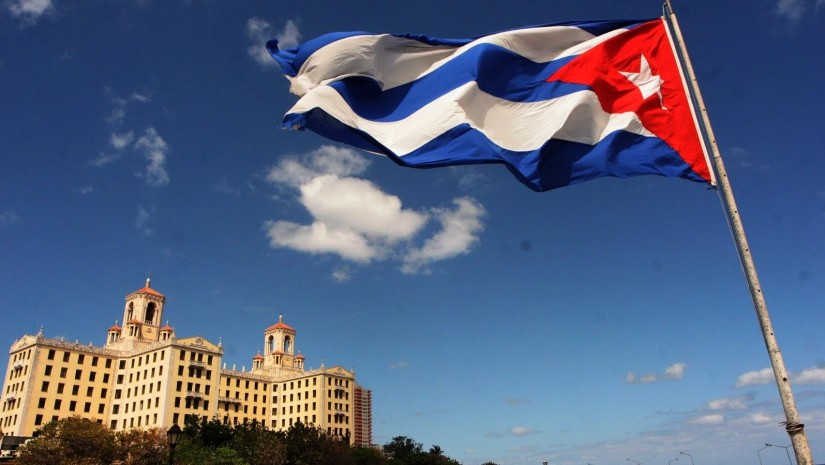
The Republic of Cuba is a sovereign Caribbean island nation located between the Caribbean Sea and the North Atlantic Ocean. It is endowed with natural resources including cobalt, nickel, iron ore, copper, manganese, salt, silica, and arable land. Cuba is also globally renowned for its premium exports—particularly rum and cigars.
Christopher Columbus described Cuba in 1492 as “the most beautiful land human eyes have ever seen.”
Today, Cuba sits at a crossroads of history, politics, and untapped economic potential. The key question is not whether Cuba has potential—but how and when that potential can be unlocked.
A Market Frozen in Time
Cuba’s economy has been shaped by decades of central planning and the long-standing U.S. embargo. Many sectors remain underdeveloped relative to regional peers.
Infrastructure is aging, productivity is low, and access to foreign capital is limited. This creates a rare investment scenario: an entire economy still positioned at an early-stage development phase.
Key Sectors with High Potential
Tourism remains a core growth engine. Real estate and infrastructure offer modernization opportunities. Agriculture remains underdeveloped relative to its potential, while renewable energy aligns with national priorities. Cuba’s healthcare and biotechnology sectors present niche opportunities.
Strategic Advantages
Cuba benefits from a strategic geographic location, a well-educated workforce, and strong social infrastructure in healthcare and education. These factors position it for future integration into global value chains.
Key Risks
Key risks include political and regulatory uncertainty, the U.S. embargo, currency complexity, and state dominance in major industries. Limited liquidity and capital market access remain major constraints.
Conclusion
Cuba represents one of the last untapped frontier markets in the Western Hemisphere. While the long-term upside is compelling, investors must proceed with caution and patience. Timing will be critical.
Disclaimer
This document is for informational purposes only and does not constitute investment advice. Investments in frontier markets involve significant risks. Investors should conduct their own due diligence.
Rainer Michael Preiss, Partner & Portfolio Strategist, DAS family Office