


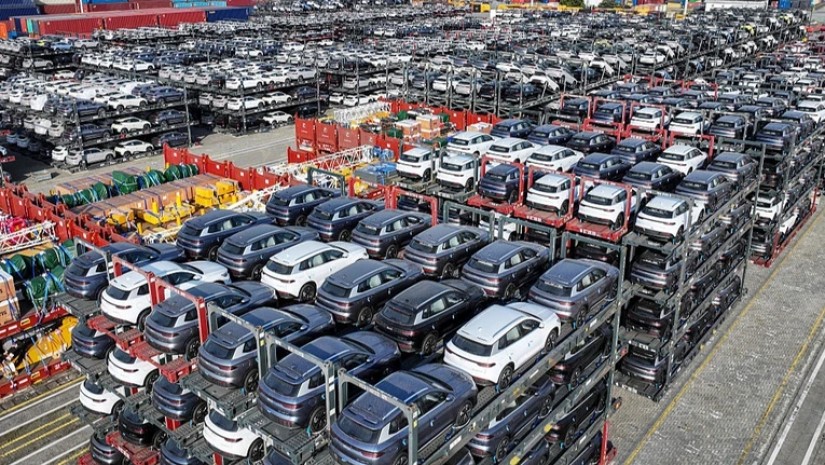

Georgia’s Auto Importers Association has submitted a concrete proposal to the government on how to renew the country’s aging vehicle fleet. According to the association’s chairman, Lasha Darbaiseli, the state should avoid restrictive regulations and instead create incentives that make newer, cleaner cars more financially accessible. He argues that bans and limitations do not solve the underlying issues and only burden consumers who already struggle to replace old vehicles.
Darbaiseli explains that one of the key steps should be lowering customs clearance fees for newer cars. He suggests that vehicles manufactured from 2020 onward should receive significantly reduced customs rates for several years. This would encourage citizens to sell their old, polluting cars and switch to more modern options. Today, he notes, buying a car is already expensive due to auction costs, transportation, port fees, and customs duties - meaning that further restrictions only worsen the problem rather than improving the country’s environmental situation.
The association also questions the government’s claim that Georgia has more than two million registered vehicles. According to Darbaiseli, a large portion of these cars no longer operate: many are fully depreciated, physically destroyed, or have not been driven in years. He emphasizes that these “dead cars” should be officially written off, as including them in national vehicle statistics distorts the real picture of Georgia’s active fleet and the scale of the renewal challenge.
Overall, the Auto Importers Association is urging the government to support modernization through economic incentives instead of prohibitions. They argue that easing customs costs for newer vehicles is a practical and effective path toward environmental improvement, fleet renewal, and consumer affordability—while bans alone fail to address the core issues.