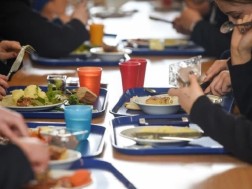


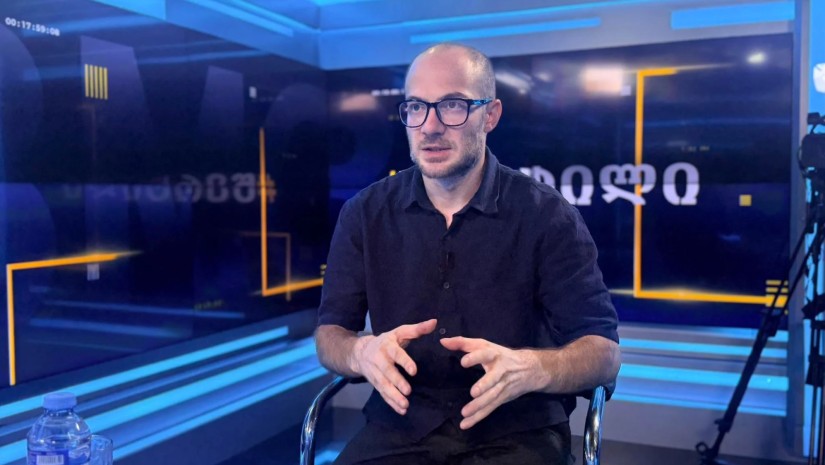

Georgia’s 2027 state budget draft is expected to be submitted to Parliament by October 1, but it remains unclear whether it will include funding for a free school meals program. Education policy specialist Giorgi Chanturia, a founding member of the Social Democracy for Georgia movement, said the initiative has failed to launch even as a pilot over the past seven years.
Chanturia argued that the main obstacle is not a lack of budget resources but what he described as a lack of political will and competence. He also recalled previous statements by former Education Minister Giorgi Amilakhvari that school meals would be included in the government’s election program, saying the initiative ultimately did not appear in the program. According to Chanturia, international partners had also been prepared to support the project, but those opportunities were not used.
The specialist said free school meals should be viewed not only as a social policy but also as an economic investment. He cited estimates that every $1 invested in school meals can generate around $9–10 in economic returns, particularly if the program is linked to local agricultural and food production. He said such investment could also contribute to better academic performance and have longer-term benefits for the economy.
Chanturia said Georgia would need a flexible model because schools differ significantly in size, infrastructure and location. For larger schools, he suggested delivering prepared meals in lunch boxes, while schools with only 10–20 pupils could cooperate with families in their communities to prepare food. A 2020–2021 study commissioned by the Education and Health Ministries estimated the cost at GEL 3–4 per student per day, or GEL 600–700 annually, putting the total program budget at GEL 315–375 million at the time. Given subsequent price increases, the current cost is likely to be higher.