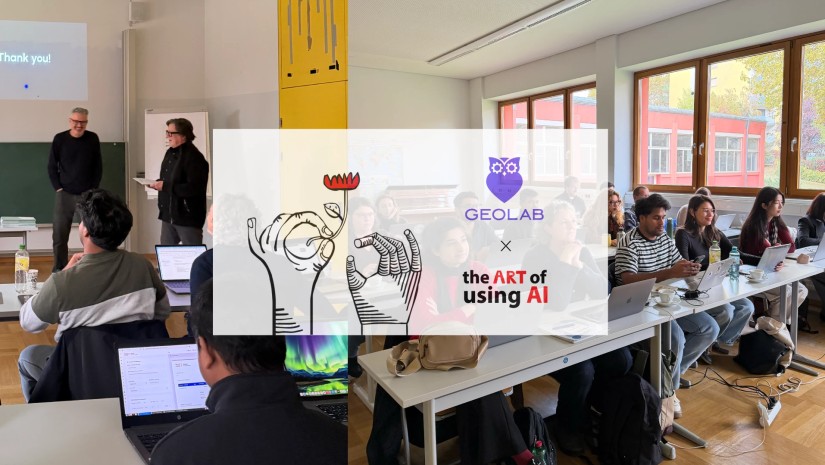

From Georgia to Austria: GeoLab Takes Its AI Expertise to the European Market
Can expertise developed in Georgia find an audience among European businesses, public institutions, and universities? GeoLab’s expansion into Austria offers an early example of how this can happen through practical education in artificial intelligence.
With support from the European Union (EU) and the United Nations Development Programme (UNDP) in Georgia Innovation Challenge, GeoLab has begun exporting its knowledge-based services to the European market, starting with Austria. Its educational program, “The ART of Using AI,” combines Georgian expertise with international collaboration to help professionals turn AI tools into practical working skills.
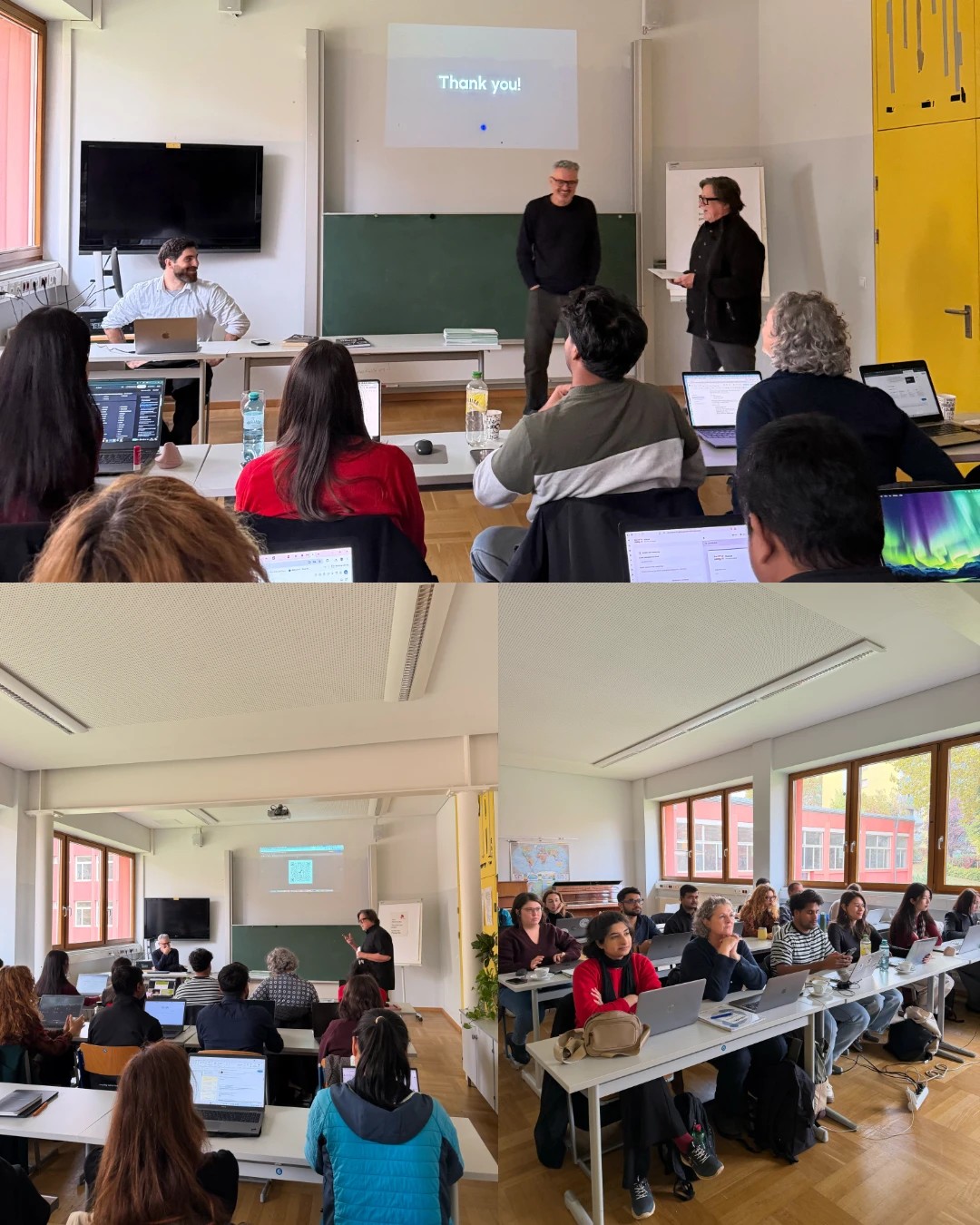
The initiative has included eight online workshops and two in-person workshops in Graz, bringing together participants from business, academia, and public institutions.
An Austrian Audience with International Reach
GeoLab’s online workshops generated 203 registrations and attracted approximately 84 unique attendees. Participants from Austria accounted for 82.9% of the audience, with cities including Vienna, Graz, Innsbruck, Linz, and Salzburg represented.
Interest also extended beyond the initial target market. Registrations came from countries including Georgia, France, Ireland, Germany, Czechia, the United Kingdom, the Netherlands, South Africa, and Canada.
One particularly revealing figure concerns repeat attendance: 56.6% of attendees joined two or more workshops. This suggests sustained interest in exploring AI across several professional applications.
The participants’ professional backgrounds also point to the program’s relevance for organizational needs. They included professionals from international and public organizations such as the IAEA, OSCE, Austria’s Federal Chancellery, Interreg CENTRAL EUROPE, and AIT.
Businesses represented among participants included Siemens, Holcim, ÖBB, T-Mobile Austria, Frequentis, AT&S, Greentube, and Bank Gutmann. Academic institutions included TU Wien, the University of Vienna, WU Vienna, FH Joanneum, and the University of Graz.
Moving from AI Questions to Working Solutions
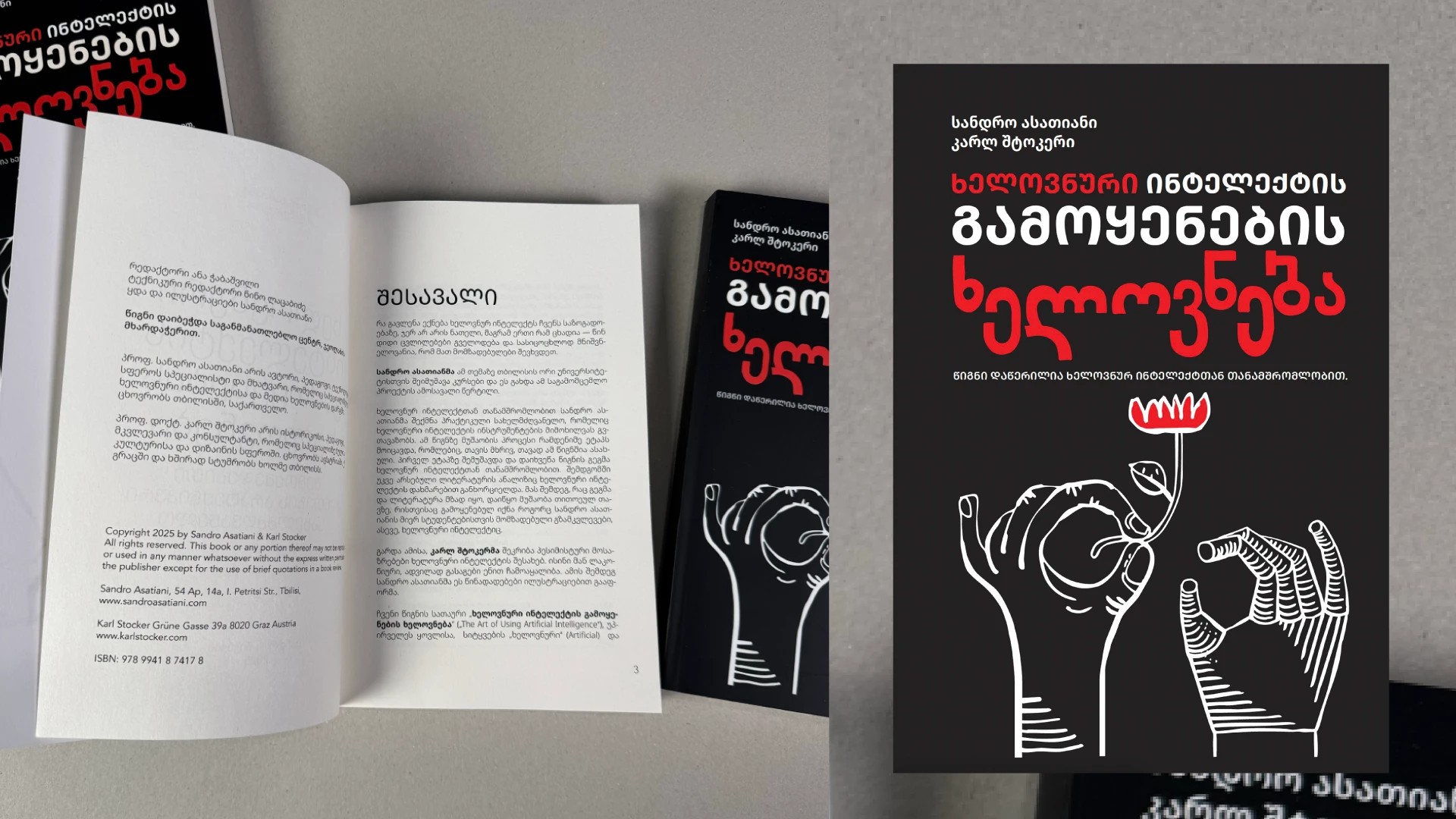
The program builds on the book The ART of Using Artificial Intelligence: A Non-Technical Guide to Creative Synthesis, co-authored by Sandro Asatiani and Professor Karl Stocker.
Its focus is a question many organizations now face: how can employees move from experimenting with AI to using it effectively in their daily work?
The practical sessions addressed this through custom AI assistants, workflow automation, and application development using natural-language instructions. Participants explored:
- how assistants can work with organizational documents
- how connected prompts can support research and reporting
- how “vibe coding” can help turn an idea into a small application.
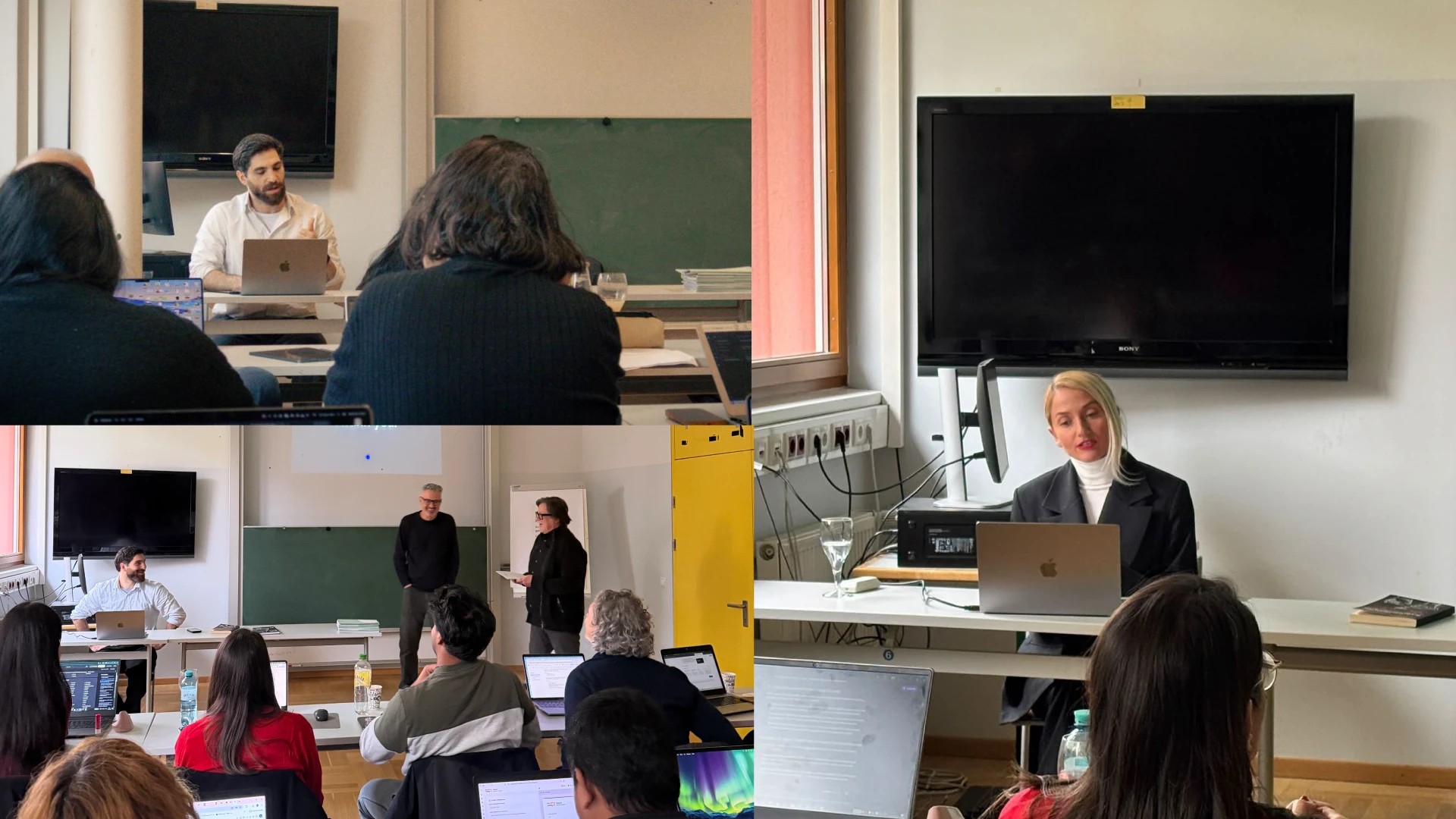
The two Graz workshops took place on 24 and 25 October at Die Schrödinger. Led by Professor Karl Stocker and Sandro Asatiani, with lecturers Sandro Asatiani, Lana Labadze, and Sandro Dolidze, the sessions used an intensive, small-group format. Topics also included responsible AI use, data protection, and considerations relating to GDPR and the EU AI Act.
A Route for Georgian Expertise into Europe
For GeoLab, Austria represents an initial market for a service built around knowledge, teaching, and practical implementation. The early participation figures provide a starting point for understanding demand and developing further offerings for European audiences.
The broader significance reaches beyond individual workshops: expertise developed in Georgia can become an exportable service when it addresses concrete professional needs. In this case, the opportunity lies in helping people turn growing curiosity about AI into skills they can use at work.
Learn more about the program: www.theartofusingai.com.
This article has been produced with the assistance of the European Union (EU) and the United Nations Development Programme (UNDP). Its contents are the sole responsibility of the author and do not necessarily reflect the views of the EU and UNDP.