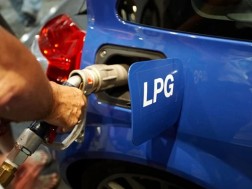




Fuel price formation in Georgia relies on several fixed and variable components, leaving limited, but still possible room for reductions, according to Zaal Iakobidze, CEO of Senta Petroleum. He notes that the most important and fluctuating factor is the international benchmark price (Platts), which largely determines the final cost of fuel in the country.
Iakobidze identifies three main potential sources for lowering fuel prices. The first is a reduction in company profit margins. While wholesale margins are already minimal, he says some room may exist in the retail sector, where profit margins are higher. Companies could, in theory, adjust their earnings without compromising operations. The second possible source is tax relief - specifically, reducing the excise tax - though he stresses this would decrease state budget revenues and depends on government priorities.
A strengthening of the Georgian lari also helps reduce final fuel prices by lowering import-related costs. However, Iakobidze emphasizes that long-term price stability is best ensured through healthy market competition and effective antimonopoly policies, rather than administrative intervention.
The government’s price-monitoring commission, which previously reviewed food and pharmaceutical prices, has now met with fuel sector representatives as well. While official comments did not directly reference high fuel prices, commission members still believe that discussions on potential reductions are possible, provided they align with companies’ operational capacities.