



By George Katcharava
The Kazakh energy sector is grappling with its most significant structural upheaval since the post-Soviet transition, as a long-simmering "transit dilemma" matures into a full-scale economic emergency. For thirty years, Astana’s reliance on the Caspian Pipeline Consortium (CPC) was a pillar of commercial pragmatism.
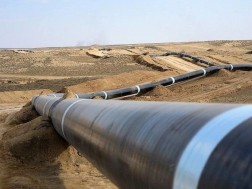
Today, that geography has been weaponized. With Ukrainian maritime drones targeting Russian infrastructure near the Novorossiysk terminal, Kazakhstan’s primary export artery, carrying high-sulfur crude from crown-jewel assets like Tengiz and Kashagan, has become collateral damage in a conflict it did not seek.
This crisis has exposed the fragility of "multi-vectorism," a policy once predicated on the assumption of Russian stability. Astana’s historical bet, that the presence of Western major corporations like Chevron and ExxonMobil would act as a geopolitical firewall for the CPC, has been proven wrong.
The resulting shift in strategy is stark: the recent award of a landmark gas processing contract at Karachaganak to China’s CITIC Construction, bypassing incumbents Eni and Shell, underscores a pivot to the East driven by existential necessity. Kazakhstan is increasingly willing to trade Western technical pedigree for Chinese operational certainty and a land-based alternative to other volatile routes.
On the diplomatic chessboard, Astana is performing a precarious balancing act. Moscow remains the "gatekeeper" of Kazakh oil wealth, yet its pariah status complicates every barrel moved. Conversely, Beijing is emerging as the "lender of last resort," offering the capital and infrastructure to bypass Russian territory—albeit at the risk of compromising long-term economic autonomy. Meanwhile, Western influence is receding; while European and American firms still hold the keys to complex offshore technology, they are increasingly deterred by a deepening risk premium and a shifting regulatory tide in Astana.
Consequently, the Trans-Caspian International Transport Route (TITR), or "Middle Corridor," has moved from a policy footnote to a national priority. While the route via Baku offers a total bypass of Russia, it remains hampered by logistical bottlenecks, insufficient tanker capacity, and the prohibitive costs of double-handling.
As legacy Soviet infrastructure becomes a liability, Kazakhstan is undergoing a forced evolution. The nation’s economic and possibly political survival, in this unpredictable international environment, now hinges on its ability to navigate "quadrilateral pressure": tempering Moscow’s influence, managing Beijing’s ambitions, and retaining Western capital, all while insulating its energy exports from the widening instability of the Eurasian landmass.
Author’s bio: George Katcharava is the founder of eurasiaanalyst.com, a geopolitical risk and advisory firm.