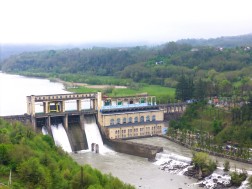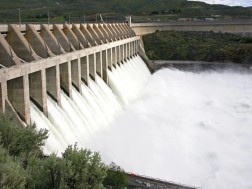


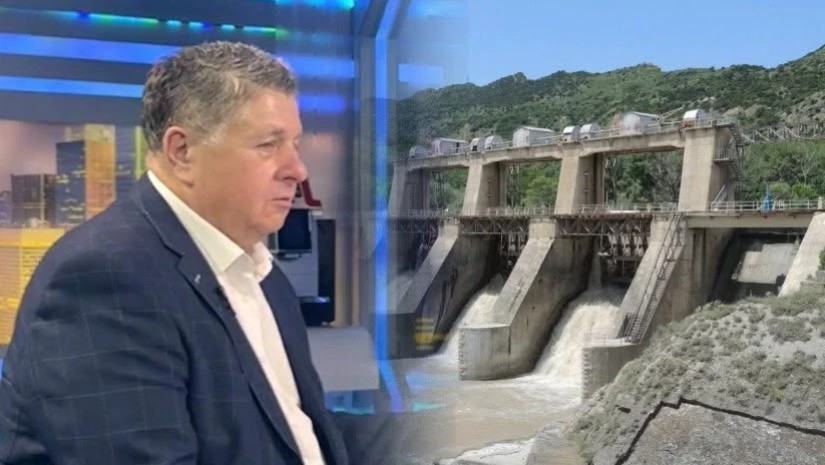

Georgia's electricity sector is facing a structural challenge as power plants are increasingly forced to reduce generation during periods of excess renewable energy production, according to energy expert Davit Mirtskhulava. Speaking to BMGTV, he estimated that hydro, wind and solar plants are currently spilling enough water to forgo 700–800 MW of generation, resulting in a theoretical loss exceeding GEL 100 million. He warned that generation curtailments have become one of the biggest obstacles to the country's energy development and called for "non-standard and rapid" policy solutions.
The issue became visible in May, when the Georgian State Electrosystem limited electricity generation from renewable plants to maintain grid stability as supply exceeded demand. Hydropower stations were forced to spill water instead of generating electricity. According to investment bank Galt & Taggart, this contributed to a 9.5% year-on-year decline in domestic generation alongside hydrological factors. While some restrictions are expected to ease in June and July due to lower seasonal oversupply and a planned electricity barter arrangement with Turkey, Mirtskhulava remains skeptical that the agreement alone will solve the problem.
According to Mirtskhulava, Georgia's inability to store energy is at the heart of the crisis. He argued that large reservoir hydropower projects such as Khudoni, Namakhvani and Nenskra would allow the country to retain excess water during spring and summer and use it in winter, reducing imports and improving energy security. He also called for temporary reductions or waivers of cross-border transmission and dispatch fees to make electricity exports commercially viable, noting that current charges make Georgian electricity too expensive to compete in neighboring markets where wholesale prices have fallen sharply.
Looking ahead, Mirtskhulava proposed a package of measures to manage seasonal oversupply, including accelerating strategic hydropower and pumped-storage projects, attracting energy-intensive industries such as data centers, offering discounted electricity tariffs to large industrial consumers during periods of excess generation, expanding battery storage, supporting electric vehicle adoption, and encouraging green hydrogen and ammonia production. He warned that continued curtailments threaten investor confidence, increase financing costs for new energy projects, and could undermine Georgia's long-term energy security if swift action is not taken.