

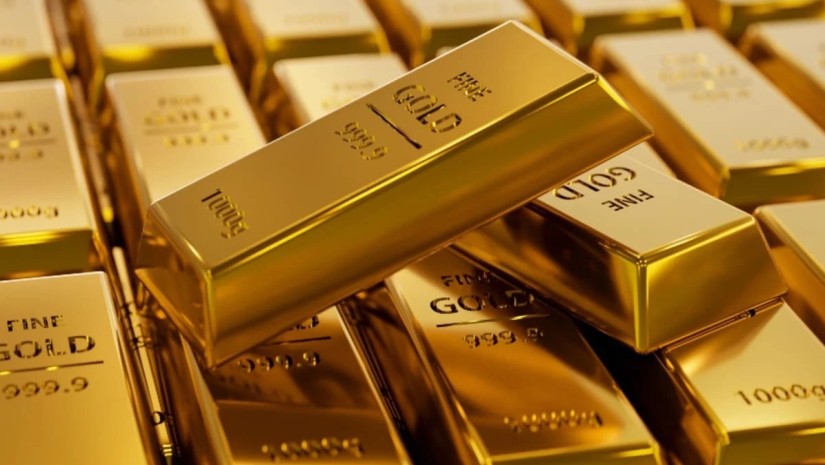

In recent years, gold has been regaining prominence in the global financial system, not just as a commodity, but as a strategic reserve asset. While historically seen as a "safe-haven" investment during times of uncertainty, its role has evolved to encompass broader geopolitical, economic, and monetary factors, making it an increasingly important asset for both governments and institutional investors alike. Smart investors have indeed noted.
As J.P. Morgan famously stated, “Gold is money. Everything else is credit.” This timeless principle resonates today as gold reclaims its supreme monetary relevance.
Big Bank’s and their analysts views at times can be wrong or incorrect, but investors should recall the old and tested wall street adage: just because it is consensus does not necessarily make it wrong.
JP Morgan projects gold to exceed $4,000/oz by Q2 2026, citing strong central bank demand averaging 710 tonnes per quarter. Bank of America forecasts a 20% rise to around $4,000/oz next year, attributing gains primarily to increased U.S. deficits and not just geopolitics. Goldman Sachs forecasts a milder increase to $3,000/oz by mid‑2026 after adjusting for less aggressive Fed cuts. Citigroup presents a more bearish outlook: gold could decline to $2,500–$2,700/oz by late 2026, assuming improved economic conditions reduce safe‑haven demand.
Geopolitical Instability Fuels Gold’s Appeal
Gold’s inherent value as a non-political asset has made it an attractive option amidst rising geopolitical risks. In the wake of ongoing conflicts — from the Russia-Ukraine war to tensions in the Middle East and Asia — governments are seeking ways to protect their reserves from political manipulation, economic sanctions, and currency devaluation. Gold, being universally recognized and difficult to manipulate, offers a neutral store of value that is immune to the disruptions that typically affect fiat currencies.
This trend is particularly significant for countries like Russia, China, and Turkey, which have faced sanctions or are at odds with the Western financial system. These nations have increasingly turned to gold reserves to bolster their financial independence and insulate themselves from economic volatility. This growing demand for gold from central banks is also reflected in the continued uptick in global gold purchases — a trend that is expected to continue.
The De-Dollarization Movement: A Shift in Global Reserve Assets
The U.S. dollar has long been the backbone of global trade and reserve currency systems, but its dominance is being actively challenged. Key emerging economies — particularly those in the BRICS bloc (Brazil, Russia, India, China, and South Africa) — are increasingly reducing their reliance on the dollar by settling trades in alternative currencies, including gold. China and Russia have made significant moves to diversify away from U.S. dollar-denominated assets, with both nations rapidly increasing their gold reserves.
This de-dollarization movement is part of a broader strategy to reduce exposure to U.S. economic and monetary policy. As central banks accumulate more gold, the global financial system is becoming more multipolar, with gold playing a key role in new trade settlements, especially among countries outside the Western economic sphere.
Inflation, Debt, and Currency Instability Drive Gold Demand
In the post-pandemic era, many governments, particularly in the West, have pursued loose monetary policies, resulting in rising inflation rates and high debt levels. With negative real interest rates in many developed economies, the purchasing power of fiat currencies is increasingly under pressure. This environment has reignited interest in gold as a hedge against inflation and currency devaluation.
Inflation Protection: Gold has historically outperformed in periods of high inflation, preserving purchasing power while other assets, such as bonds or cash, lose value.
Currency Protection: In countries where inflation is spiralling and currencies are weakening, gold provides an anchor against currency devaluation. For example, nations in Latin America and Africa have turned to gold as a store of value to combat the volatility of their local currencies.
Central Banks Are Accumulating Gold Like Never Before
According to the World Gold Council (WGC), central banks purchased over 1,000 metric tons of gold in 2023 — the highest levels of buying seen since the 1970s. Central bank gold purchases have accelerated dramatically since 2022, with many emerging-market nations leading the charge. Key players in this gold rush include:
China: Continually increasing its gold reserves, quietly buying hundreds of tons of gold each year.
Russia: Repatriating gold and reducing exposure to dollar-denominated assets amid Western sanctions.
India and Turkey: Both countries have also significantly increased their gold holdings in the past few years, seeking to bolster their financial sovereignty.
This significant accumulation of gold by central banks signals a strategic shift toward a more diversified global reserve system, reducing dependency on the U.S. dollar and other fiat currencies. This reallocation is expected to continue, with gold positioned as a core asset in sovereign reserves.
Gold in the Digital Age: The Rise of Tokenized Gold
Gold is no longer confined to physical bullion. The digitalization of gold is making it easier than ever for investors and institutions to buy, hold, and trade gold.
Tokenized gold (e.g., Paxos Gold [PAXG], Tether Gold [XAUT]) allows investors to access the liquidity and transparency of blockchain technology while holding an asset backed by physical gold.
Gold-backed stablecoins are also gaining traction as a way to digitally store value while avoiding the risks associated with traditional fiat currencies or volatile digital assets like Bitcoin.
This evolution opens up gold to a new generation of investors, providing a bridge between traditional commodities and the rapidly evolving digital finance ecosystem.
Performance and Strategic Implications for Investors
Gold’s role as a diversifier in an investment portfolio remains strong. It is one of the few assets that traditionally moves inversely to equity markets, making it a critical tool for risk mitigation. Additionally, its low correlation with other asset classes like stocks, bonds, and cryptocurrencies further enhances its appeal as a hedge against market volatility.
Performance Overview (2020–2025)
Asset Class 5-Year CAGR (2020–2025)* VolatilityCorrelation to S&P 500 Strategic Role
Gold (XAU/USD) 7.2% Low ~0.1 Inflation hedge, safe haven
S&P 500 Index 9.3% Moderate 1.0 Growth, equity premium
Bitcoin (BTC) 24.7% Very High ~0.3 Speculative, alternative currency
U.S. Treasuries 2.8% Low Negative Income, deflation hedge
*CAGR = Compound Annual Growth Rate
Gold has provided a solid return during this period of macroeconomic uncertainty, with consistent demand from both central banks and institutional investors. Despite strong performance from risk assets like equities and cryptocurrencies, gold remains the preferred asset in times of crisis or inflationary pressure.
Strategic Takeaways for Investors
Diversification: Gold should be viewed as a core portfolio asset for diversification and risk management. A strategic allocation of 5–10% in gold is recommended for most portfolios, with higher allocations considered for investors seeking protection against inflation and systemic risk.
Sovereign Wealth Funds & Central Banks: For institutional investors or central banks, the trend of increasing gold reserves should be closely monitored as it signals a broader shift in global monetary systems.
Digital Gold: The emergence of tokenized gold offers a liquid and efficient means of exposure to gold, making it easier for tech-savvy investors to hold and transfer gold-backed assets.
Conclusion: The Strategic Case for Gold in the Modern Economy
Gold’s return to prominence is driven by fundamental shifts in the global economic and geopolitical landscape. From the de-dollarization trend to the rising distrust in fiat currencies, and the digitalization of gold, the yellow metal is reclaiming its role as both a store of value and a pillar of financial sovereignty.
For investors, this represents a long-term strategic opportunity to increase exposure to an asset that is likely to remain resilient amid ongoing market turbulence and global uncertainty.
Disclaimer: The content of this article is for informational purposes only and should not be considered as investment advice. Please consult with a qualified financial advisor before making any investment decisions.
This article is for informational purposes only and does not constitute financial, legal, or investment advice. Readers should seek independent professional guidance tailored to their specific circumstances before making any financial decisions, including investing in gold. The views expressed are general in nature and may not reflect the policies or practices of all financial institutions or advisors.
Rainer Michael Preiss, Partner & Portfolio Strategist at Das Family Office in Singapore