


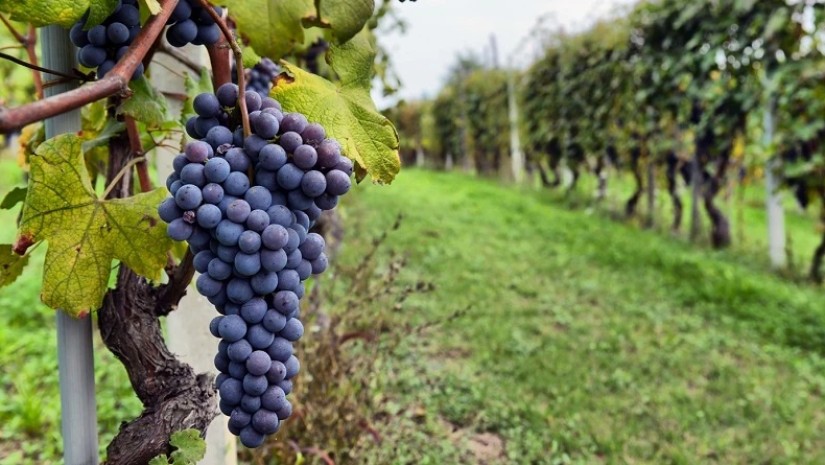

The Ministry of Environmental Protection and Agriculture has submitted a draft law to Parliament proposing stricter regulations for Georgia’s viticulture and winemaking sector. The amendments to the Law of Georgia on Vine and Wine aim to improve product quality, boost the industry’s competitiveness, and ensure compliance with international standards.
The initiative includes refined requirements for both production and sale, establishing clearer rules for vineyard planting, product labeling, bottling in consumer packaging, and record-keeping mechanisms.
According to the ministry, interest and investment in new vineyards have grown significantly in recent years. However, numerous issues persist - including vineyards planted with grape varieties not permitted for specific zones and the use of uncertified planting materials. These practices create challenges for grape sales and pose risks for wine production.
To address the problem, the draft law would require all commercial vineyard plantings to receive mandatory approval from the National Wine Agency. As grape production increases, quality control will also be tightened: protected designation wines and spirits must be produced solely from grapes harvested in the microzone defined in the product specification.
Another key provision expands the requirement for technological process reporting to all wine-producing companies, a measure the ministry says will enhance transparency and strengthen quality management across the sector.
The draft law has been submitted to Parliament but has not yet been published. BM.GE will provide additional details once the full text becomes available.