

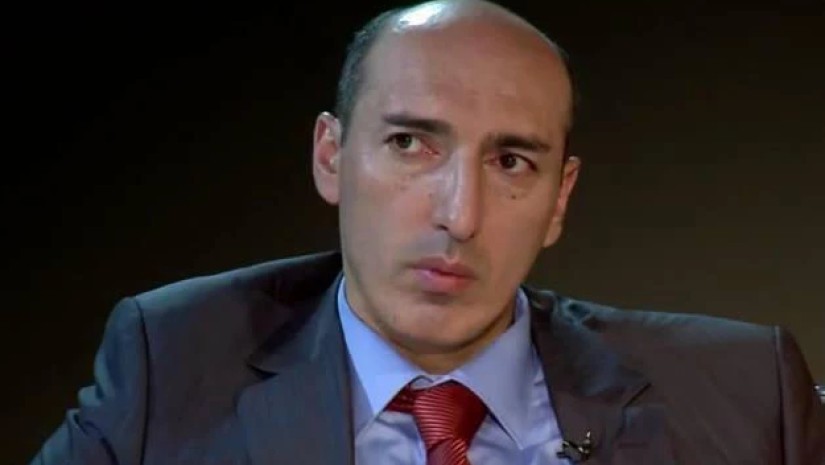

Energy expert Archil Mamatelashvili expressed skepticism about the construction of the Khudoni and Namakhvani hydropower projects. In an interview with BMGTV, he stated: “I don’t think either Khudoni or Namakhvani will be built in the next 10 or 20 years.” Mamatelashvili highlighted the major barriers these projects face despite government assurances of their implementation.
According to him, financial constraints are a primary obstacle. Khudoni alone would require at least $1.5 billion (over 4 billion GEL) in direct and indirect costs. Securing such funding from international financial institutions is challenging due to environmental and social sensitivities, and the local banking sector cannot shoulder such high risks. Even if the state were to finance the project, it would be a decade-long process, making rapid completion unlikely.
Mamatelashvili also emphasized the market risks. The low operational efficiency of Khudoni (30–40%) means it would primarily serve peak demand periods, resulting in high electricity costs per kilowatt-hour. Without a proper electricity market, the energy could be sold at a fixed high price, potentially increasing electricity tariffs rather than stabilizing them. Investors would demand sovereign guarantees to ensure returns, which the current system cannot fully provide.
He suggested that for these projects to become feasible, Georgia needs a real electricity market, regional electricity trade (especially with Turkey), improved investor relations, and energy storage solutions such as lithium- or sodium-ion batteries. Expansion of solar and wind energy, coupled with storage, could compensate for peak demand, reducing reliance on large-scale hydro projects. Currently, part of Enguri HPP’s output is allocated to Abkhazia, further limiting domestic use. Mamatelashvili concluded that significant systemic changes are required before Khudoni or Namakhvani can realistically move forward.