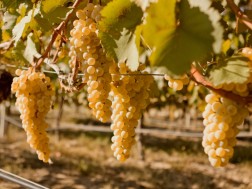




Government subsidies for viticulture have damaged Georgia’s grape-growing sector, leaving the industry in a difficult situation, Tamaz Omanadze, founder of Khomlis Marani, said on the TV program Analytics.
Omanadze said subsidies led to an uncontrolled expansion of vineyards, including in areas without a historical tradition of grape cultivation. He argued that the policy also expanded geographical indications and shifted the focus away from quality, while large amounts of public funding were used to guarantee grape purchases.
“Farmers and grape growers became accustomed to having guaranteed purchases for years. There was no discussion of quality, only guaranteed sales. Millions were invested in this, which was effectively social assistance. This has produced the current result,” Omanadze said.
Protests over low grape prices were held in Kakheti. On September 22, National Wine Agency Chairman Levan Mekhuzla announced revised purchase prices, citing heavy rainfall that had made it difficult for grapes to accumulate sugar. The updated prices are GEL 1.50 per kg for Saperavi with sugar content above 20 degrees, GEL 1.30 for Rkatsiteli and other varieties above 19 degrees, GEL 1 for Saperavi at 16–20 degrees, and GEL 0.90 for Rkatsiteli and other varieties at 16–19 degrees.