



Russia’s newly announced grain export quotas are not expected to create a critical risk for Georgia’s wheat market, according to the director of “Global Milling.” While Moscow plans a 20-million-ton export quota for 2026, the company says Georgia’s share in Russian exports is too small for the restrictions to have a direct impact.
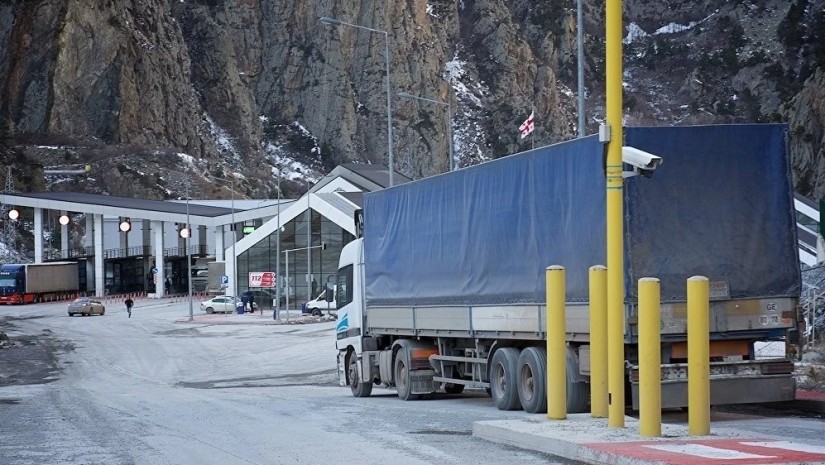
Gvantsa Kimadze, director of Global Milling, explains that Russia has imposed similar quotas annually since 2021, making the new regulation a predictable step. She notes that the real challenge for Georgia is not the quota itself, but the country’s price dependence on Russia and logistical vulnerabilities, particularly the Larsi checkpoint. As she highlights, wheat now arrives mainly by truck, and winter weather or traffic congestion frequently shuts down the border crossing, creating shortages and price pressure.
According to Kimadze, Georgia currently has sufficient wheat reserves, but strengthening long-term stockpiles remains important, as storing grain is more efficient than storing flour. She also views the Georgian government’s import tax on flour positively, saying it supports local production and keeps Georgian flour competitive in the market.
Russia’s quota regime for wheat, barley, meslin, and corn will be in force from February 15 to June 30, 2026. Russia remains Georgia’s dominant supplier: this year, Georgia purchased 460,141 tons of wheat worth $115 million, including 360,400 tons from Russia in the first 11 months alone, accounting for 79% of total imports.