
The National Bank of Georgia (NBG) has neither confirmed nor denied links between the family of former board member Nana Keinishvili and crypto-related businesses under its supervision. The issue emerged after a Radio Liberty investigation identified five companies linked to Keinishvili, including VIP Pay, a registered payment service provider, and Money Exchange Plus. In a covert recording, she reportedly mentioned owning a virtual asset service provider (VASP) alongside a payment service provider without identifying the company.
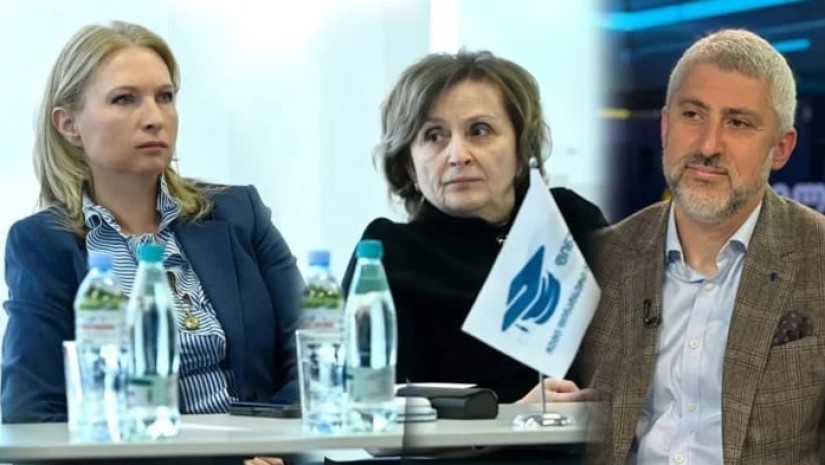
The NBG said it registers VASPs and payment service providers after verifying legal requirements, including beneficial ownership. It stated that investigations fall outside its mandate but that suspected illegal activity is referred to the relevant authorities. Financial expert Nika Alavidze criticized the response on BMGTV’s program Tsertili, arguing that the bank had the legal tools and international standards needed to identify risks but was failing to exercise effective oversight. He also raised concerns about potential conflicts of interest involving NBG board members.
Alavidze warned that weak supervision could allow businesses to conduct transactions worth millions or billions of dollars without timely detection, with suspicious activity potentially emerging years later. He argued that the case raised broader questions about the NBG’s ability to regulate virtual assets, open banking and the Forex market. Although cryptocurrency is a legal financial instrument, inadequate controls have contributed to its association with illicit financial flows and illegal transactions in Georgia and among international partners.
According to the report, 43 companies are registered in the NBG’s VASP registry, including Bitxchange, in which Keinishvili reportedly sought a stake, according to Radio Liberty. Alavidze emphasized that virtual assets, like cash, can be used for both legitimate and criminal purposes, including money laundering and terrorism financing. He argued that effective regulation is essential to prevent abuse and restore confidence in Georgia’s crypto sector.