

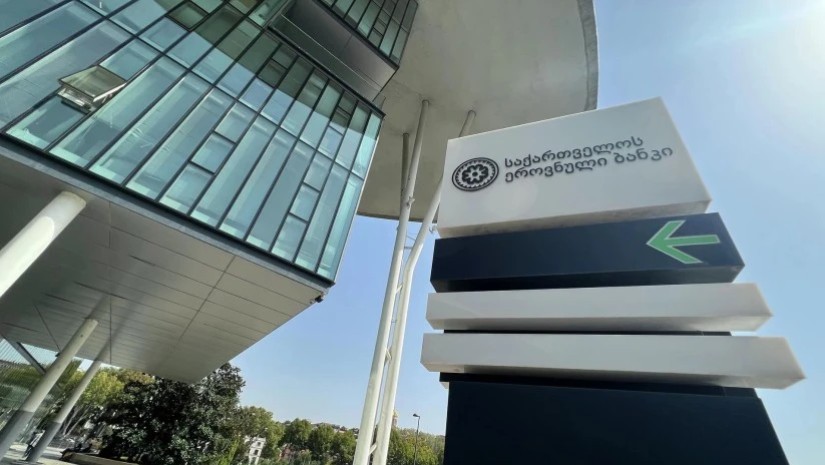

The National Bank of Georgia (NBG) explains that raising the limit for unhedged foreign currency loans from 750,000 GEL to 1 million GEL is linked to the insufficient pace of loan “larization” in the banking sector.
According to the head of the NBG’s Financial Stability Department, Davit Utiashvili, the change affects a loan portfolio of about $200 million annually. Borrowers in this segment include both small and medium-sized businesses as well as individuals, including mortgage borrowers in higher-value property segments.
Utiashvili said the decision was driven by the fact that while deposit larization has improved, progress in loans has been weak. He noted that despite previous tightening measures, the central bank was not satisfied with the trend, so it decided to further restrict foreign currency lending to borrowers without matching income. The goal, he said, is to reduce exchange rate risk for households and businesses and improve financial stability.
He added that the new 1 million GEL threshold is considered optimal for now, but future adjustments are not excluded if risks increase. The NBG emphasized that reducing dollarization remains a long-term priority, as currency risk continues to be a key vulnerability in Georgia’s financial system.