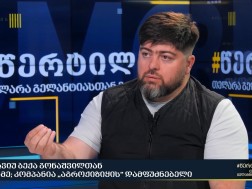


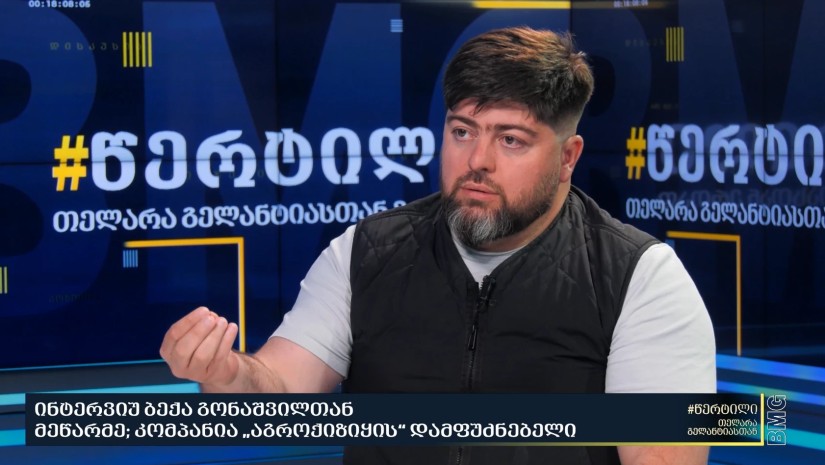

Georgia’s newly introduced State Agro Co-Financing Program appears to significantly change how agricultural financing works, leading some in the sector to believe that the traditional Preferential Agrocredit Program will no longer function in its classic form. According to Beka Gonashvili, founder of AgroKiziki, the new model removes banks from the initial decision-making process. As he explained on BMGTV’s program “Tsertili,” farmers will no longer approach banks first; instead, project evaluation will begin directly at the Ministry of Agriculture.
The ministry later clarified to BMG that the Preferential Agrocredit Program is not being abolished and will remain one of the available tools. However, starting July 1, the new co-financing model will apply, under which project proposals are assessed by the Rural Development Agency before any loan is issued. This means that the bank’s “filter” is replaced by state bureaucracy. Farmers can still take loans for initial capital, but interest subsidies will no longer apply unless the business plan is first approved by the agency.
Gonashvili highlighted the program’s key principle: “spend first, co-financing later.” Under the new rules, the beneficiary must fully implement the project - such as building a farm or establishing an orchard—using personal or borrowed funds, and only then submit documentation to receive state reimbursement. Government participation will cover up to 50% of project costs, capped at 2 million GEL per project. While this structure still allows farmers to rely on bank financing, it fundamentally changes the order and conditions under which support is granted.
Given that the banking sector’s filtering role is removed, Gonashvili raises questions about the risks of bureaucratic overload and the importance of qualified project evaluation. He emphasizes that state “filters” are necessary to mitigate real agricultural risks, but warns that excessive procedural hurdles could slow down business activity. “A filter should manage risks - not hinder the work itself,” he said, stressing that competent, informed decision-making will determine whether the new model succeeds.