


Consumers are well aware of these factors and are closely monitoring the prices of their products of choice. Producers are aware of this as well, however, as the prices of raw resources and factors of production are on the rise, they are still forced to make changes themselves. Making the product more expensive is almost always met with negative feedback, so the producers try to hide this fact.
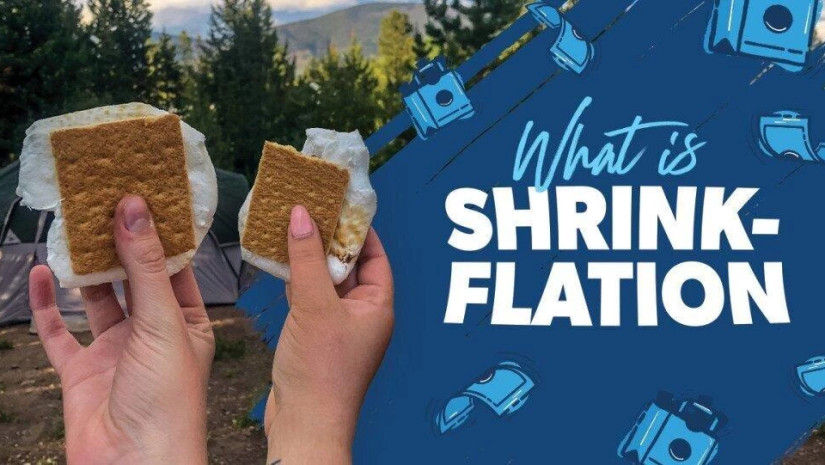
Consumers notice fluctuations in price more easily than the exact quantity or weight of the product they are purchasing. Producers found out that by shrinking their product size and keeping the same price, they effectively increase the price of the product, without the majority of their customers noticing and complaining about it. Economists started to call this phenomenon "shrinkflation". This is a fact that many people know about, but maybe not consciously acknowledge.
This issue mainly concerns the food and beverage industry, as they have the most flexible portion sizes. The US Bureau of Labour Statistics reports that in the past year the price index of food at home increased by 12.2% and food away by 7.7%.

However, inflation statistics largely do not reflect shrinkages in product sizes. This implies, that potentially the consumers experience an even larger price increase than what is reflected in inflation calculations.
The UK Office for National Statistics calculated the number of products that decreased in size between 2015 and 2017. On average, 40 products were decreasing in size per month.

On average, UK’s inflation today is 7 times higher than in 2015-17. It is reasonable to assume that companies are under more pressure from increasing costs and more of them are shrinking their products. Notably, many have also increased their product size in the same time period, but much less have done it comparatively.

Companies often hide the shrinkage by decreasing the portion size by very little at a time or by redesigning the packaging to disguise the change. A famous example is when Gatorade recently changed its bottle design while decreasing the capacity by 4 ounces, claiming the change made the bottle easier to hold. Toilet paper or tissue companies often decrease their product quantities, because people do not often notice changes from 65 to 60 (-8%) paper packages, which can have substantial long run effects for the companies, such as Kleenex. Pringles went from 165g to 134g (-18%) package when it was redesigned. Snickers bar, previously 58g is now 48g (-17%) and Doritos decreased from 9.75 ounces to 9.25 (-5%). Toblerone went from 400g to 360g (-10%).
Grocery products are not the only ones affected. According to Yelp, shrinkflation related reviews jumped up by over 30% from last year. Dominos has decreased its famous 10 piece wings deal down to 8 (-20%) and kept the same price tag. Wings are easy to count but portions on plates are harder to weigh.
Many of these statistics were calculated in either the US or the UK. However, the same principles apply worldwide and in Georgia as well. These are just some of the examples people have found. The percentage decrease in size can be directly considered as a price increase of the same percentage, as when companies downsize, they typically keep the same price tag. These shrinkages have been known to come into waves, so consumers need to be aware when going out to eat or grocery shopping the next time.