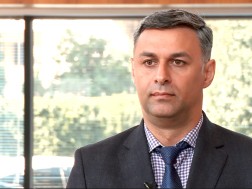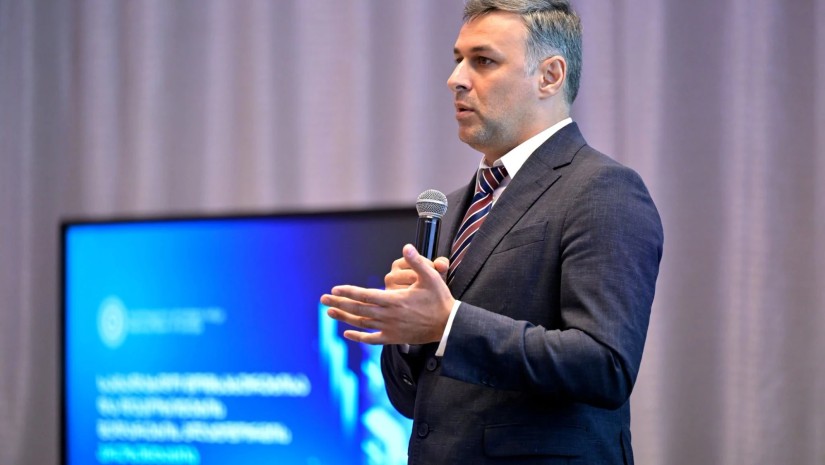

Georgia’s National Bank is continuing to accumulate foreign exchange reserves to strengthen macroeconomic stability, with the goal of reaching the International Monetary Fund’s recommended optimal reserve adequacy level of around 150%. Davit Utiasvili, Head of the Financial Stability Committee at the National Bank of Georgia (NBG), said on the TV program Analitics that reserves currently stand at approximately 120–130% of the IMF’s minimum adequacy benchmark.
Utiasvili noted that reserve accumulation has long been part of the NBG’s policy and that favorable market conditions in recent years have allowed the bank to increase reserves without putting pressure on the exchange rate. He stressed that sufficient reserves are essential for maintaining economic stability and protecting the country against potential future shocks.
He also explained that reserve purchases do not create additional inflationary pressure, as monetary sterilization instruments neutralize the resulting liquidity. According to Utiasvili, much of the foreign currency purchased by the NBG came from the ongoing de-dollarization of bank deposits, as households and businesses increasingly shifted their savings from US dollars into lari. He added that this trend reflects growing confidence in the national currency.
Meanwhile, Utiasvili attributed current inflationary pressures primarily to rising global oil prices and their impact on fuel, transportation and supply costs. He expects these effects to gradually ease through the second quarter of 2027. In 2026, the NBG purchased USD 3.1 billion to replenish international reserves, injecting approximately GEL 8.3 billion in additional liquidity into the banking system, which was subsequently addressed through monetary sterilization measures.