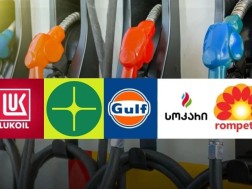







Global oil price spikes are driving fuel costs higher in Georgia, with branded fuel stations beginning price adjustments on March 7. Recent data shows fuel prices increasing by 2–12 tetri, while diesel - most affected by global volatility - has risen by up to 18 tetri. Diesel remains the most sensitive product to geopolitical shocks, and local importers expect the upward trend to continue.
Energy and transport expert Liana Jervalidze says Georgia does not face a supply disruption, as regional supply chains remain intact. With access to Azerbaijan, Russia, Romania and Bulgaria, the country can continue importing fuel without shortages. However, the key challenge is cost, not supply. Georgia’s small and competitive market, she argues, allows the country to negotiate relatively favorable prices despite global turbulence.
Asked what the government can do to cushion consumers from rapid price hikes and inflationary pressure, Jervalidze avoids specific policy recommendations but stresses that any targeted state support should prioritize agriculture. With spring agricultural works approaching - and diesel being essential for the sector - she believes this field should be the government's first consideration.
On the possibility of temporarily reducing excise tax, as South Korea recently announced, Jervalidze notes that excise revenue makes up a significant share of Georgia’s budget - roughly GEL 800 million annually. Any reduction would require identifying ways to offset the shortfall. Because the budget is already allocated, she says, the government must evaluate whether such a measure is fiscally feasible.