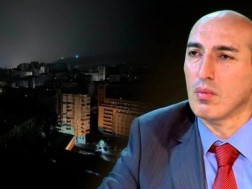

A tiered natural gas tariff can be effective to some extent and encourage consumers to save resources, but social support should be kept separate from tariff policy, energy expert Levan Pavlenishvili told TV-program Business Course.
He believes assistance for vulnerable social groups should be provided through social policy rather than incorporated directly into utility tariffs.
“Social support should be part of social policy, not a component of tariff decisions. Vulnerable groups should receive adequate assistance through social programs rather than through the energy sector,” Pavlenishvili said.
He added that a tiered tariff has certain advantages over a uniform or fixed rate because it encourages consumers to reduce consumption, particularly of resources that are not produced domestically. Natural gas, he noted, is entirely imported.
Parliament recently passed, under an accelerated procedure, amendments authorizing the Georgian National Energy and Water Supply Regulatory Commission to set differentiated household water tariffs through 2036 and natural gas tariffs through 2038, based on consumption volumes. The stated aims are to reduce social risks and introduce tariff changes gradually.