


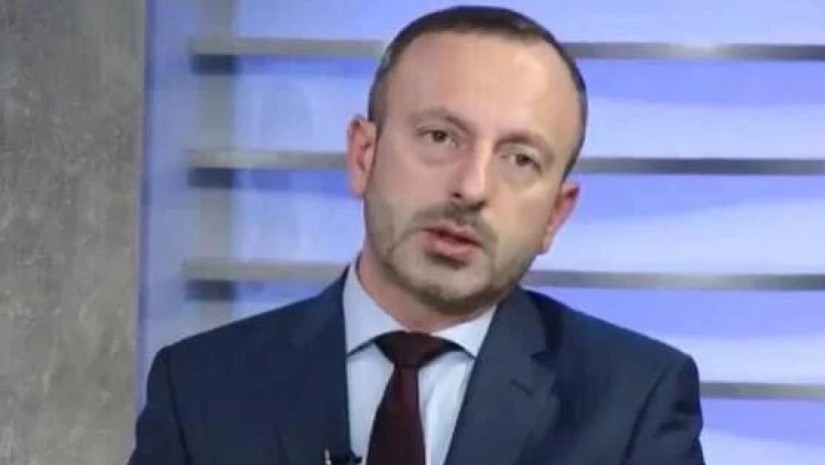

Attracting international funding remains a key challenge for Georgia’s microfinance sector, despite no critical increase in the cost of borrowed funds, according to Besik Shengelia, head of Lazika Capital. He said some international investors have become more skeptical of the Georgian market.
“Since the beginning of 2025, some have become skeptical about our country’s market, with some citing political risks. In addition, they can deploy their resources more profitably in Central Asia,” Shengelia told BMG. He said investors may accept higher risks in those markets because higher returns can compensate for them, a principle that applies to both direct investment and lending.
According to Shengelia, some financial institutions view political risk in Georgia as relatively high and are therefore directing funds toward other regional markets. However, socially responsible funds continue to support Georgian microfinance institutions because they view the sector as contributing to social empowerment. Other organizations assess investments primarily on commercial returns and may choose markets based on their business models and profitability.
Meanwhile, National Bank of Georgia data show that the microfinance sector’s net profit increased by 66.5% in the first half of 2026, reaching GEL 117.5 million, compared with GEL 70.5 million in the same period of 2025. The sector’s total assets stood at GEL 2.579 billion, while liabilities amounted to GEL 1.7 billion.