

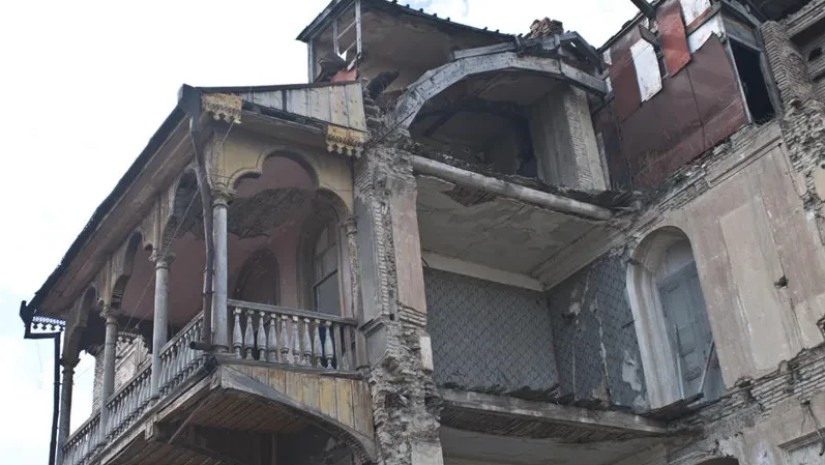

Tbilisi has over 10,000 dilapidated buildings, a figure that has remained unchanged for several years, according to official information provided to BM.GE by Tbilisi City Hall.
This number was previously cited as early as 2021 by then-Vice Mayor Irakli Khmaladze, indicating a lack of significant progress in addressing the city’s aging residential infrastructure.
According to City Hall, while the total number of dilapidated structures is around 10,000, only 2,337 of them, primarily multi-apartment residential buildings, are actively being handled by administrative boards.
- Negotiations are ongoing with 43 condominiums
- Full agreements have been reached with 13 of those
- Dismantling and construction has begun at 2 locations
These figures reflect the slow pace of a process that often requires coordination between multiple residents, administrative bodies, and construction companies.
The severity of a building's condition is determined using an official five-category scale, based on conclusions issued by the Levan Samkharauli National Bureau of Forensic Expertise or other accredited institutions:
Category I–II – Minor damage; less dangerous
Category III – Significant structural damage
Category IV – Beyond repair; not subject to reinforcement
Category V – Virtually destroyed
Only buildings classified under Categories III, IV, or V are eligible for the city’s replacement program.
Tbilisi’s replacement initiative offers affected residents new, renovated housing, either on the original site or nearby, equal in size to the property they currently own. If relocation is necessary during construction, temporary rent is covered by the local district administration.
Importantly, if the new building is constructed on municipal land (different from the original plot), 100% resident consent is not required to move forward with the project.
The stagnant figure of 10,000 dilapidated buildings continues to highlight the urgency for a more systematic and accelerated approach to urban redevelopment in Tbilisi.