

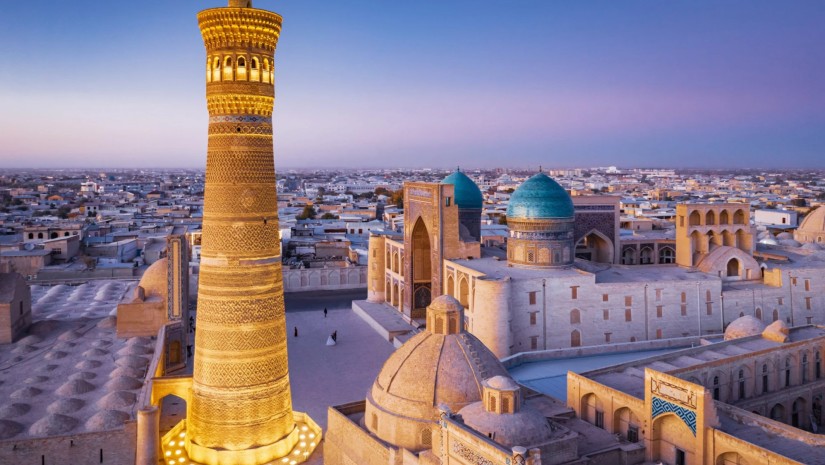

Historical Context
Uzbekistan's equity market began to take shape in the early 1990s following the country’s independence from the Soviet Union. The Republican Stock Exchange "Tashkent" (RSE Toshkent) was established in April 1994 as the nation's primary platform for trading stocks and corporate bonds . This initiative was part of a broader privatization strategy aimed at transitioning state-owned enterprises into joint-stock companies and fostering a nascent capital market.
Despite these efforts, the market remained relatively underdeveloped for decades, characterized by limited trading volumes and a narrow investor base. The government's significant stake in many listed companies further contributed to the market's subdued activity.
Recent Developments and Market Dynamics
In recent years, Uzbekistan has embarked on a series of reforms to invigorate its capital markets. Notably, in October 2023, the Tashkent Stock Exchange experienced a surge in activity, with trading volumes reaching UZS 20.7 billion (approximately $1.7 million), marking an 8.5-fold increase compared to the same period in 2022 . This uptick was driven by a combination of factors, including mergers and acquisitions, restructuring processes, and a growing interest in over-the-counter (OTC) transactions.
However, the positive momentum faced challenges in 2024. The UCI index, a key benchmark for the market, declined by 5.6% in the latter half of the year . Several factors contributed to this downturn, including low market liquidity and a loss of investor confidence, particularly in state-owned enterprises such as Uzmetkombinat and Uzbektelecom.
Structural Reforms and Future Prospects
To address these challenges and attract international investors, Uzbekistan has initiated comprehensive reforms aimed at modernizing its capital market infrastructure. A presidential decree issued in October 2023 outlined several key measures:
Central Securities Depository (CSD): Starting in 2025, the CSD will consolidate the custody of both corporate and state securities under the ownership of the Central Bank, enhancing the market's operational efficiency.
National Clearing Center: A new entity will be established in partnership with the Republican Currency Exchange to serve as the central counterparty under Central Bank regulation, improving transaction security.
Regulatory Oversight: The regulator will gain the authority to replace the management of companies that violate reporting and announcement requirements, aiming to bolster corporate governance .
These reforms are expected to integrate Uzbekistan's capital markets with international clearing organizations and depositories, facilitating foreign investors' access and enhancing liquidity.
International Engagement and Investment Opportunities
In a significant move to liberalize its economy, Uzbekistan has partnered with Franklin Templeton to manage the Uzbekistan National Investment Fund (UzNIF). The fund aims to list $1.7 billion worth of state assets, including minority stakes in state-owned banks and companies such as Uzbekistan Airways, on international markets by early 2026 . This initiative aligns with Uzbekistan's broader strategy to reduce state ownership and attract global investors.
Despite these advancements, challenges remain. The market's low trading volumes and limited free float market capitalization indicate that further structural reforms are necessary to create a more vibrant and attractive investment environment.
Conclusion
Uzbekistan's equity market is at a pivotal juncture and smart money and global capital should notice. While recent reforms and international partnerships signal a commitment to modernization and openness, the market's future success will depend on the effective implementation of these initiatives and the establishment of a more dynamic and transparent investment ecosystem. Investors with a long-term perspective may find opportunities in Uzbekistan's evolving frontier market, provided they are prepared to navigate its complexities and emerging risks.
Disclaimer
This article is for informational purposes only and does not constitute investment advice, an offer, or a solicitation to buy or sell any securities. Investing in emerging or international markets carries specific risks, including currency fluctuations, political instability, and market volatility. Past performance is not indicative of future results. Investors should conduct their own research or consult with a licensed financial advisor before making any investment decisions in Uzbekistan or anywhere else in the world.
Rainer Michael Preiss, Partner & Portfolio Strategist at Das Family Office in Singapore