



The Georgian government has postponed the ban on the sale of beverages in plastic bottles until 2031, following consultations with the business sector. This decision is seen as a positive move, with industry stakeholders agreeing that the next four years must be used effectively.
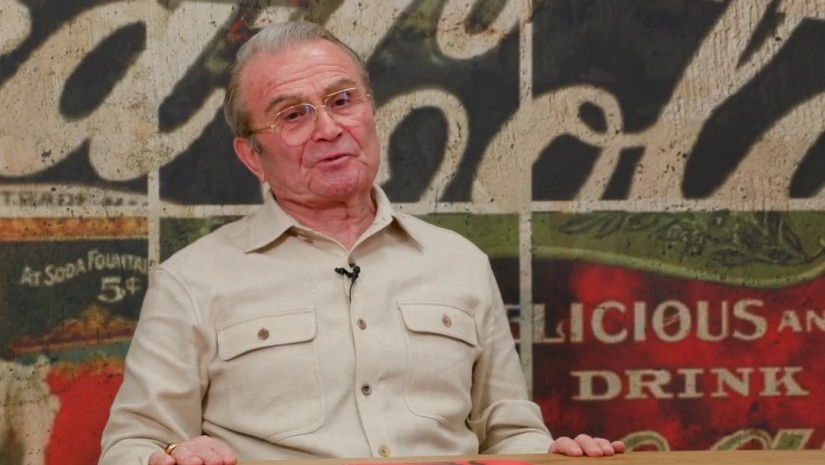
Temur Chkonia, founder of Coca-Cola Bottlers Georgia, emphasizes that the separation and recycling of plastic waste is the only viable solution to the problem. He recalls his significant consultations with the Prime Minister, noting that the initial proposals were not fully formed or effective. The approach changed after they demonstrated the potential for developing the recycling industry.
"The reason the approach shifted is that we showed the potential for developing the recycling industry. This isn't a new concept; it’s something that has already been implemented successfully in many countries around the world," Chkonia explained.
He credits the change in approach mainly to consultations with Irakli Kobakhidze. "The program we presented is a future-oriented program that is definitely executable and focuses on waste recycling."
Chkonia also stressed that the approach shouldn't only focus on non-alcoholic beverages, nor should it be limited to their perspective. If the program is to be successful, it must involve every producer in Georgia that deals with such waste and is responsible for recycling.
“There are three important components here: the government, the producers, and society. These three must unite to achieve serious results,” he added.
Looking ahead, Chkonia believes the four years should not be wasted. A comprehensive four-year program must be developed for waste collection and recycling, with clear responsibilities and obligations for each party. The program should outline the necessary technologies, investments, and leadership needed to carry it out.
"Waste should be turned into valuable products. By doing so, we’ll have two types of benefits: nature will be relieved of waste, and new jobs, technologies, and products will be created. This will complete the circle of a circular economy," he concluded.