


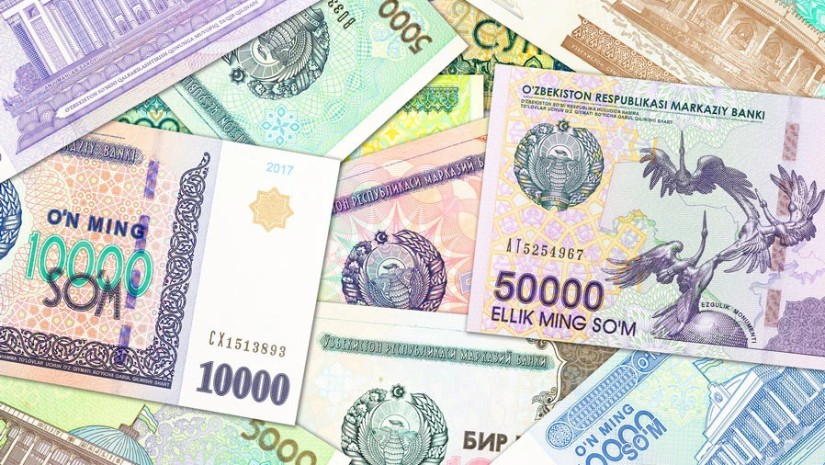

Historical Background of the Uzbekistan Som (UZS)
The Uzbekistan Som (UZS) was introduced on July 1, 1994, replacing the Uzbekistani coupon som at a rate of 1 new Som = 1,000 old coupon som. This transition marked a crucial step in Uzbekistan’s post-Soviet economic independence after gaining sovereignty in 1991.
Initially, the Som was a non-convertible currency, and for many years, a large black-market premium existed due to strict capital controls and overvaluation. However, significant reform began under President Shavkat Mirziyoyev starting in 2016. The most notable moment came in September 2017, when the Som was effectively liberalized and allowed to float more freely, aligning the official rate closer to the market rate—a bold move to restore investor confidence.
Inflation and Interest Rate History
Historically, the UZS has been characterized by high inflation and devaluation pressures, common in many transition economies. However, in recent years, the Central Bank of Uzbekistan (CBU) has taken a more inflation-targeting approach, introducing monetary policy transparency and regular updates to its benchmark interest rate.
As of mid-2025, the policy rate stands at 14%, significantly higher than in many developed markets. This relatively high nominal rate, coupled with improving macroeconomic fundamentals and falling inflation (currently under 10%), makes Uzbekistan’s real interest rate among the most attractive in the region.
Why Global Investors Should Take Notice
Positive Real Yields: Unlike the near-zero or negative real interest rates in developed economies, Uzbekistan offers positive real returns on sovereign and central bank instruments, drawing in yield-seeking investors.
Macroeconomic Reforms: Ongoing liberalization, tax reforms, and improved governance are creating a more favourable environment for long-term investment.
Currency Stabilization: While the Som has seen depreciation historically, volatility has decreased due to better forex management, fiscal discipline, and stronger external buffers.
Untapped Capital Market Potential: Uzbekistan's local bond market, including CBU notes and treasury bills, is becoming more accessible to non-resident investors, especially with initiatives such as the Capital Markets Development Master Plan supported by ADB and international partners.
IMF and International Support: Active engagement with the IMF, World Bank, and EBRD signals confidence and provides an additional anchor for macroeconomic stability.
Risks to Consider
The Som remains a relatively illiquid currency in global markets.
Currency convertibility, while improved, still faces periodic restrictions.
Political and regulatory risks typical of emerging markets remain, although these are moderating.
Conclusion
Uzbekistan's Som has evolved from a symbol of post-Soviet independence to an emerging-market currency with growing appeal. Supported by structural reforms and attractive interest rate dynamics, the UZS stands as a hidden gem for global fixed-income investors, especially those willing to take a long-term view on a fast-transforming Central Asian economy.
This article is for informational purposes only and does not constitute financial, investment, or legal advice. Investors should conduct their own due diligence and consult professional advisors before making any investment decisions. Currency markets and interest rates can be volatile, and investing in emerging markets involves a high level of risk.
Rainer Michael Preiss, Partner & Portfolio Strategist at Das Family Office in Singapore