


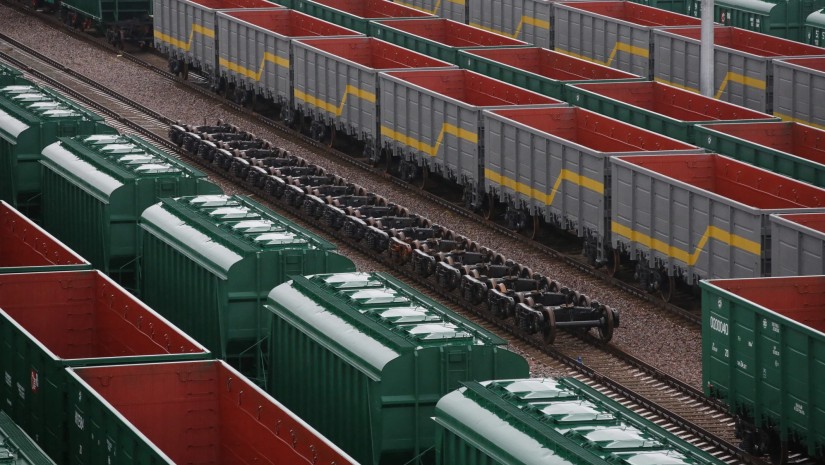

According to Levan Sulaberidze, Chairman of the Transport and Logistics Committee of the Kazakh-Georgian Economic Union, the region has more than enough wagons, yet the real problem lies in their slow and inefficient turnover. Speaking to BMG, he noted that wagon delays create hidden expenses that ultimately fall on the client.
Sulaberidze emphasized that a wagon standing idle for weeks cannot be considered a free service, its downtime is reflected in the final transportation price. Faster loading and return movement would significantly reduce costs across the supply chain. While certain wagon types may experience shortages, he argues there is no critical deficit overall; efficient management, not quantity, is the issue.
He noted that Georgia’s transit potential depends heavily on port capacity. Well-functioning terminals and storage facilities are essential to accumulate cargo volumes that would ensure consistent flow and eliminate the problem of returning empty wagons. Stronger port infrastructure, he said, would stimulate additional freight traffic from Central Asia, balancing wagon flows in both directions.
Sulaberidze also pointed to geographic and technical challenges on the Caspian Sea. Overloaded ferries, frequent bad weather, and declining water levels all hinder timely wagon transfer across the sea. For the Middle Corridor to operate efficiently, he stressed the need for better coordination and synchronization across the entire logistics chain.