


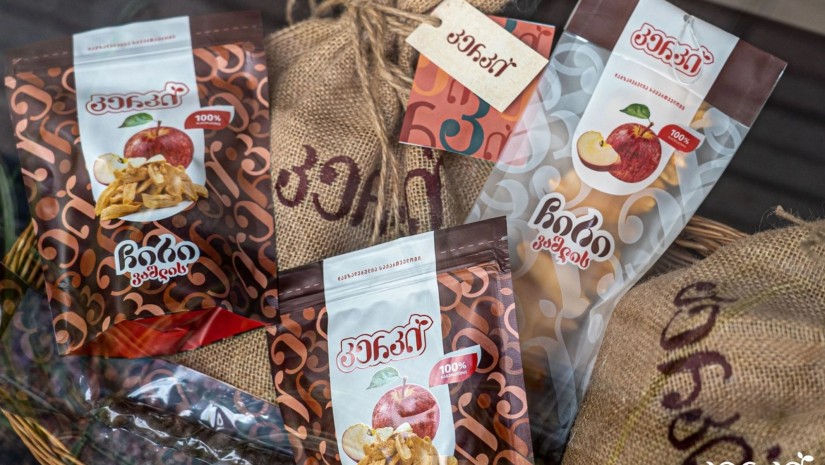

Local dried fruit producer “Kerki” has significantly reduced production, with its factory now operating at around 15% capacity, according to managing partner Geno Geladze. He says the company’s annual revenue does not exceed GEL 0.5 million, while staff numbers have fallen from around 40 to just 14–15 employees.
Geladze argues that the main challenge is not only production efficiency but systemic market issues, including unfair competition and difficulties entering retail chains. He says local natural products are often compared with cheaper, chemically treated imported alternatives, making it hard to compete on price.
According to him, despite having ISO-standard production facilities and multiple product lines (dried fruit, snacks, fruit leather, mixed products), only 6–7 items generate meaningful sales, while overall production has continued to decline year after year.
As a potential solution, Kerki is considering private label production for retail chains, which Geladze says could benefit both sides by reducing entry barriers. He also noted that the company is ready to invest in expanding production, including new bakery product lines, if cooperation with major retail networks improves.