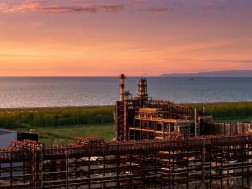


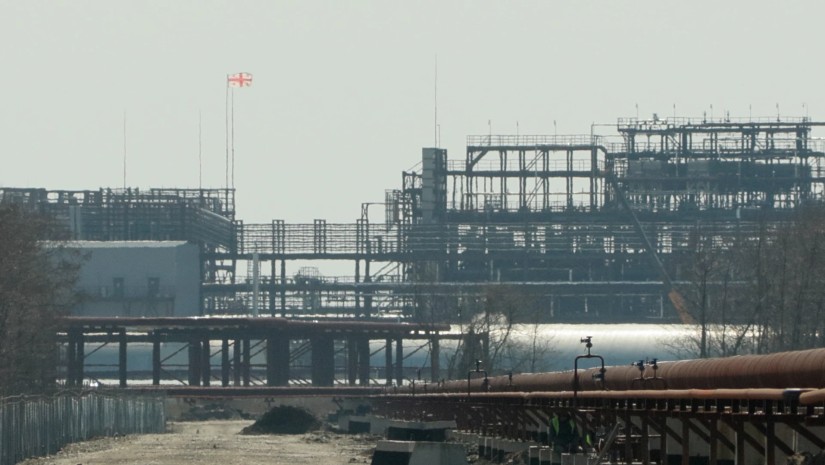

David Potskhveria, founder and CEO of Black Sea Petroleum (BSP), says the company engages British and Swiss law firms to ensure full compliance with U.S., EU, UK, and other international sanctions when purchasing crude oil. In an exclusive interview with BMG, he detailed the operational model, investment scale, and compliance systems behind Georgia’s first large-scale oil refinery. The $600 million project has already completed Phase I, establishing a facility with an annual capacity of 1.2 million tons, producing semi-finished feedstock for naphtha, fuel oil, and diesel.
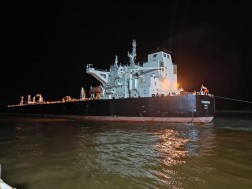
BSP currently imports Russian crude oil, a process strictly regulated under international sanctions. These rules apply not only to producers but also to vessels, logistics companies, and shipping chains involved. Russian crude is permitted only if purchased at least 15% below global market price. Potskhveria emphasized that every shipment undergoes thorough legal vetting: British and Swiss lawyers issue binding legal opinions before any transaction proceeds. He added that even if BSP attempted to bypass regulations, Georgian customs and SOCAR’s Kulevi terminal would not allow sanctioned cargo or vessels to enter the country. BSP also plans to diversify supply with imports from Turkmenistan and Kazakhstan, though Turkmen deliveries have been delayed.
According to Potskhveria, each batch of crude undergoes multiple layers of verification, from customs and revenue authorities to logistical chain assessments, to ensure transparent origin and compliance. SOCAR’s Kulevi terminal acts as an additional checkpoint, equipped with its own compliance tools to prevent sanction violations. BSP has also implemented internal KYC systems, accessing international databases to monitor suppliers, transport partners, and trade chains. Their UK legal partner is licensed directly by the British Treasury to issue sanctions-related legal opinions, further strengthening BSP’s compliance framework.
In early 2026, BSP signed a licensing agreement with the U.S. corporation Honeywell, which will provide engineering and technology for the refinery’s next-stage processing line. This will enable BSP to produce Euro-5 gasoline, aviation fuel, Euro-diesel, and marine fuel at full international standards once Phase II is complete. With an expanded annual capacity expected to reach 4.5 million tons, the Kulevi refinery is set to become one of the most technologically advanced energy facilities in the region.