



Mortgage loans in Georgia are becoming increasingly expensive. According to the National Bank’s data, the average interest rate on new mortgages issued in July 2025 reached 13.08% in GEL, which is 1.28 percentage points higher than the same period last year.
At the same time, the number of newly issued mortgages has declined. From January to July 2025, Georgian banks issued 28,579 new mortgage loans, a 12.5% drop (4,076 fewer loans) compared to the same period in 2024. Despite this, due to rising real estate prices, the total loan portfolio grew by 3.5%.
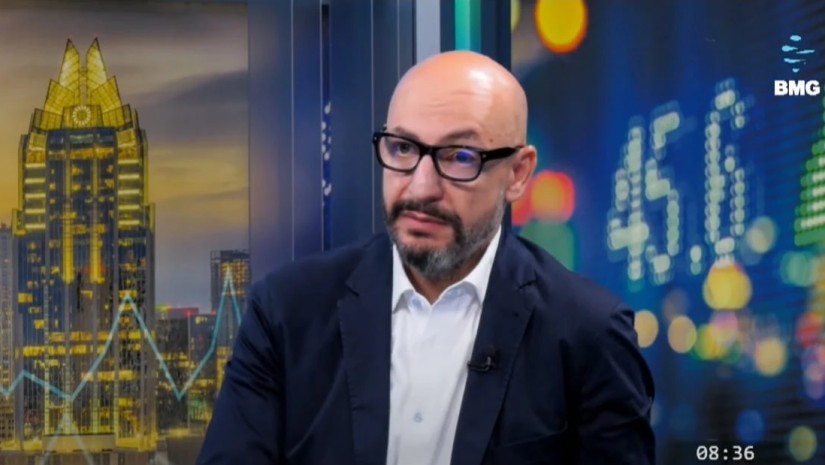
Aleksandre Dzneladze, head of the Banking Association of Georgia, explained in an interview with the program Real Estate Prospect that the rise in mortgage rates is a continuation of monetary tightening that began in 2024.
“This increase did not start this year. In 2024, against the backdrop of high monetary policy rates, not only in Georgia, but also in the U.S. and the Eurozone, interest rates rose, and we warned that this trend would continue into the next period,” Dzneladze said.
He noted that the immediate rise is first seen in the offer of new loans, while the effect on the overall credit portfolio takes 6–9 months to fully reflect.
According to him, interest rates were even higher at the beginning of 2025, and there is a tendency for a gradual decline toward the end of the year. However, the ongoing larization process, a shift toward more loans in the national currency, means that the share of GEL-denominated loans is growing, keeping average rates higher than before.
On foreign currency loans, Dzneladze stressed that developments will largely depend on global monetary policy:
Euro loans: Interest rates are likely to remain stable, following the ECB’s recent easing.
Dollar loans: The situation depends on whether the U.S. Federal Reserve will cut rates. “We are directly tied to this,” Dzneladze said.
He also highlighted liquidity trends. Early in 2025, the loan portfolio grew faster than deposits, raising fears of a GEL shortage. By summer, this deficit risk was eliminated, but market lending rates in GEL remain above the National Bank’s monetary policy rate.
“We have great hope that this will stabilize,” Dzneladze concluded.