


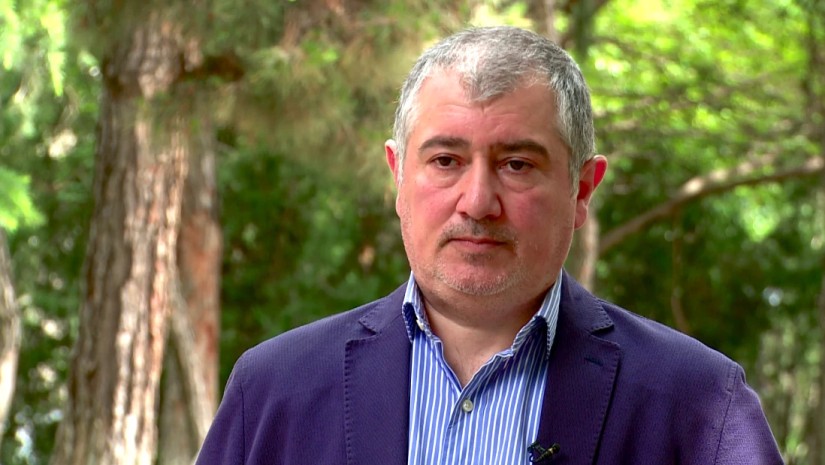

Healthcare expert Vakhtang Kaloyan criticizes the current DRG (Diagnosis-Related Groups) financing system, saying that without changes to the pricing rules and decision-making processes, it fails to support development or quality improvement in Georgia's healthcare sector.
“The system remains fragmented. Changes are made without involving those who understand the challenges on the ground. As a result, adjustments have little real impact,” Kaloyan told BM.GE.
He argues that decisions are based on bureaucratic judgment rather than data, clinical research, or cost studies. Although the Ministry of Health has adjusted tariffs for certain treatments, Kaloyan says the core issues remain unresolved.
“We have a DRG system that consumes resources but delivers no measurable outcomes. Without transparent, quality-oriented pricing based on professional input, not bureaucracy, the system will remain ineffective,” he noted.
For over two years, clinics under Georgia’s universal healthcare program have operated under DRG-based financing. Despite appeals from the sector, major reforms have yet to be made. Recent changes only allowed limited patient co-payments (e.g., VIP wards, hip implants), and no progress has been made on tariff adjustments for combined surgeries, a key request from medical institutions.
Kaloyan concludes that unless professionals are involved in setting realistic prices and quality standards, DRG will hinder progress instead of promoting it.