


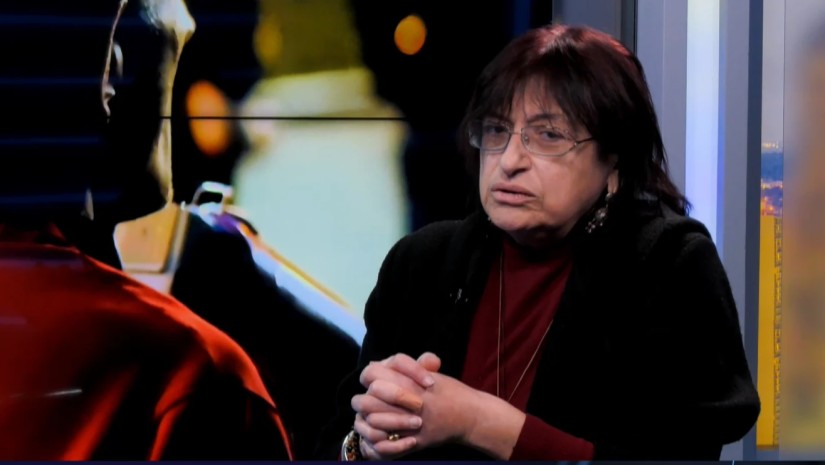

Environmental expert Nino Chkhobadze says that achieving “zero plastic” is far more complex than it appears, requiring large-scale infrastructural and social changes. She told BMG that while phasing out plastic is essential, it must be implemented gradually in Georgia due to the scale of the transition needed.
According to Chkhobadze, plastic pollution is not limited to food packaging but is deeply embedded in other sectors, including construction. She notes that Georgia still imports and uses plastic water pipes, which pose significant environmental and health risks, and argues that restrictions on such products must also begin.
She emphasizes that solving the plastic problem is impossible without separate waste collection, which has not yet been introduced nationwide. Establishing such a system, she says, requires substantial financial investment and trained specialists. As a long-term solution, Chkhobadze supports launching Extended Producer Responsibility (EPR) to obligate businesses to manage and recycle their own waste.
Chkhobadze also highlights gaps in enforcing existing regulations, such as the incomplete ban on plastic bags. Meanwhile, the government plans to ban the sale of beverages in plastic bottles in supermarkets starting next year, with exemptions for oil, water sold in containers above 10 liters, and export products, according to Deputy Environment Minister Solomon Pavliashvili.