


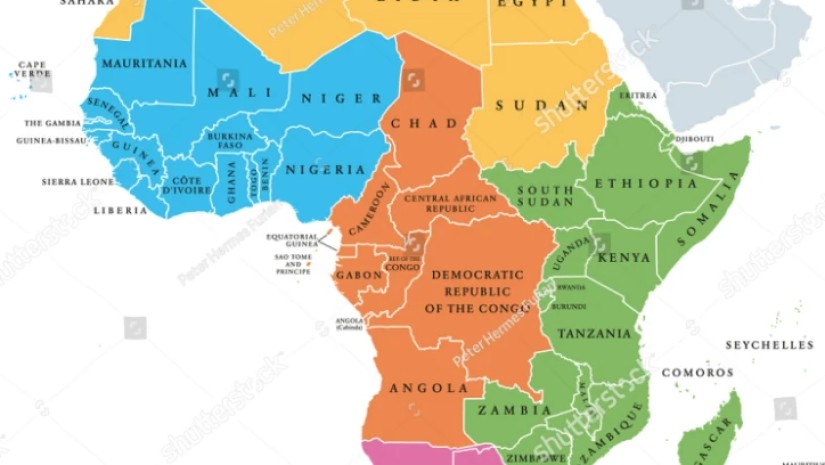

Unlike India and China, Africa is not a country but a continent of 54 independent and sovereign nations with nascent and growing domestic stock markets.
As of today, there are 30+ stock exchanges across Africa, with two regional ones serving multiple countries. The Federal Democratic Republic of Ethiopia (FDRE) has the youngest stock market in Africa and indeed the world. Ethiopia officially relaunched its stock market—now called the Ethiopian Securities Exchange (ESX)—on January 10, 2025.
Sub-Saharan Africa is Expected to reach 4.3% growth in 2026, with east African nations registering some of the world’s fasted growth rates next year. Ethiopia is a point in case, the potentially fasted growing economy in the world with the world’ youngest and newest stock market
The 8th Africa-Singapore Business Forum (ASBF 2025) was held from 26 to 28 August 2025 in the Republic of Singapore. Singapore as a country and ex-British colony has earned the trust of the world and Singapore due to minister Mentor Lee Kwan Yew vision became a major financial market and wealth management center globally
A broad estimate pegs Singapore’s total private banking AUM around US$900 billion, yet while China and India are well presented in global asset allocation and private banking private wealth portfolios, Africa and African equity markets are still not yet well understood or covered. African stock markets in second half of 2025 are like bitcoin at USD 1,000 levels in 2017. A compelling macro investment case that many people and investors still ignore or do not yet understand.
According to Bloomberg data, Ghana and Zambia are the two best performing stock markets globally YTD year-to-date in U.S dollar terms. The United States dollar is the legal & political risk of the United States of America.
Ghana President John Dramani Mahama in Singapore and at the ASBF made a keynote declaration: “Africa is investable.” He spotlighted Africa’s youthful, rapidly urbanizing population and the $3.4 trillion market created by AfCFTA, urging greater Singaporean & global investment into sectors like renewable energy, fintech, and infrastructure. He also highlighted the financing gap across Africa—estimated at US$1.3 trillion annually
Global investors are increasingly looking beyond traditional markets in search of diversification, growth, and uncorrelated returns. African equities, once considered a niche exposure within frontier and emerging markets, are gaining renewed attention. With the continent’s demographic tailwinds, rapid urbanization, and resource wealth, Africa presents a long-term growth story. However, the role of African equities in global asset allocation is complex, requiring a careful balance between opportunity and risk.
The Case for African Equities
- Demographic and Economic Growth
Africa is home to the world’s youngest population, with a median age of under 20 years. This demographic dynamic supports long-term consumption growth, labor supply, and potential productivity gains. By 2050, Africa’s population is expected to double, creating a consumer base and workforce that rivals Asia. This structural trend underpins demand in sectors such as telecommunications, financial services, infrastructure, and consumer goods.
- Resource Richness and Global Integration
The continent remains a vital supplier of commodities—ranging from oil and gas to cobalt, lithium, and rare earth minerals critical for the global energy transition. As the world shifts toward green technologies, African economies could play a central role in supply chains, thereby enhancing the investment case for equities tied to resource production and processing.
- Diversification Benefits
African equities exhibit relatively low correlation with developed markets. For institutional investors seeking portfolio diversification, allocating a small percentage to African markets can reduce overall portfolio volatility while adding exposure to high-growth economies. The local market drivers—such as agricultural cycles, domestic consumption patterns, and policy reforms—tend to differ from those in developed economies.
Challenges and Constraints
- Market Depth and Liquidity
African equity markets remain relatively small and illiquid compared to their global peers. The Johannesburg Stock Exchange (JSE) in South Africa accounts for the bulk of capitalization, while most other exchanges are limited in scale. This concentration can hinder global investors from deploying large sums without market impact.
- Currency and Political Risk
Volatility in exchange rates, inflationary pressures, and political instability continue to weigh on investor sentiment. Markets such as Nigeria, Kenya, and Egypt have experienced significant currency adjustments that erode USD-based returns. Additionally, governance and regulatory risks remain a key consideration.
- Benchmark Underrepresentation
African equities are significantly underrepresented in global indices. The MSCI Frontier Markets and MSCI Emerging Markets indices allocate only a minimal weight to Africa, reducing passive inflows. This underweighting makes Africa less visible to global investors who rely on benchmark-driven strategies.
Strategic Role in Global Portfolios
- Tactical vs. Strategic Allocation
For many investors, African equities are still best approached tactically—via specialist funds, active managers, or thematic strategies targeting commodities, infrastructure, or consumer growth. However, for those with longer horizons, Africa can play a strategic role as a frontier growth allocation, particularly in impact and ESG-focused portfolios.
- Private vs. Public Equity
Given the limitations of public markets, private equity has often been the preferred entry point for global investors in Africa. Private markets provide access to high-growth companies in fintech, renewable energy, and agribusiness—sectors underrepresented in listed exchanges. Over time, successful private companies may feed into stronger public markets.
- ESG and Impact Investing Alignment
Africa’s development needs create natural alignment with ESG and impact mandates. Investments in clean energy, digital infrastructure, and financial inclusion resonate with global sustainability goals while offering competitive returns. This alignment enhances the attractiveness of African equities within asset allocation frameworks, prioritizing responsible investing.
Outlook
While African equities remain a small slice of global asset allocation, the continent’s long-term fundamentals—youthful demographics, urbanization, and resources—are undeniable. For investors willing to accept higher short-term volatility and liquidity constraints, Africa offers diversification and potential alpha.
The key lies in measured allocation: balancing the risks with the structural growth story, often through specialist managers or blended strategies combining public and private markets. Over the next two decades, African equities could gradually shift from a niche frontier allocation to a more established growth segment within global portfolios.
Conclusion
African equities may not yet command a large share of global asset allocation, but their strategic relevance is rising. Investors who ignore the continent risk overlooking one of the last untapped growth frontiers in the world economy. For forward-looking allocators, Africa represents not just diversification,but participation in the next chapter of global growth.
This article is provided for informational purposes only and does not constitute investment advice, an offer, or a solicitation to buy or sell any securities or financial instruments. The discussion of African equities within global asset allocation is intended as a general overview and should not be interpreted as a recommendation for any specific investment strategy.
Investing in African equities involves risks, including but not limited to political and regulatory uncertainty, currency volatility, limited market liquidity, and economic instability. Past performance is not indicative of future results, and returns may differ materially from expectations. Investors should carefully assess their own investment objectives, risk tolerance, and financial circumstances before making any decisions.
Any views or opinions expressed are subject to change without notice and may not reflect the most current developments. Data and statistics referenced are believed to be reliable but have not been independently verified. Neither the author nor any affiliated party shall be held liable for any losses or damages arising from reliance on the information provided herein.
Investors are strongly encouraged to consult a licensed financial advisor or investment professional before making any investment decisions related to African or other frontier and emerging market equities.
Rainer Michael Preiss
Partner & Portfolio Strategist at Das Family Office in Singapore