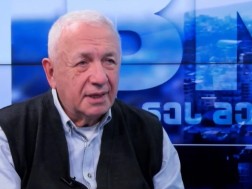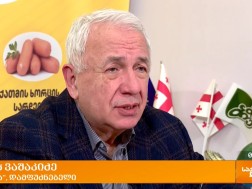


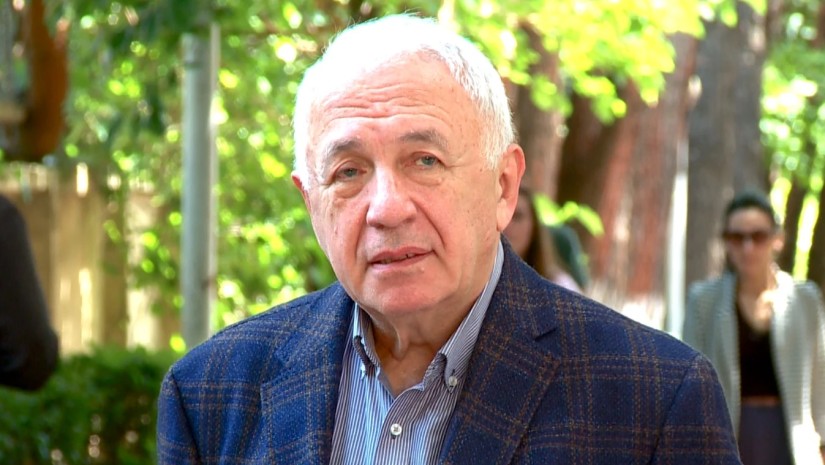

Rezo Vashakidze, founder of the poultry company Chirina, says the question of whether Georgia needs a business ombudsman should be resolved jointly by the private sector and the government. Speaking to BM.GE, he revealed that his company has had no communication with the business ombudsman’s office for the past four to five years, raising concerns about the relevance and effectiveness of the institution. He stressed that the election process for the ombudsman is equally important and should include participation from both business and government.
The business ombudsman’s office, established in 2015 to mediate between the state and the private sector, is set to be officially abolished on January 1, 2026. On that date, the positions of the business ombudsman and deputy ombudsmen will be eliminated, and the office itself will be liquidated. The move has sparked discussion within the business community about whether an alternative mechanism is needed to ensure effective dialogue with the government.
According to Vashakidze, existing sectoral associations already facilitate communication with state agencies, but the business ombudsman has traditionally served as an additional intermediary. He said the effectiveness of any communication model ultimately depends on the government’s own engagement. “If the Prime Minister meets with business leaders monthly, for example, the role of the business ombudsman becomes much less significant,” he noted.
Vashakidze believes that if a business ombudsman structure is maintained or reformed, its leadership should be selected through a joint decision of the government and the private sector. A unilateral appointment, he argues, risks creating a figure who lacks meaningful connections with either side. “If the government appoints someone with whom business has no relationship, such an ombudsman is unnecessary. But if business appoints someone who cannot work with the government, that is also ineffective. The government should propose several candidates, and business should choose among them,” he said.