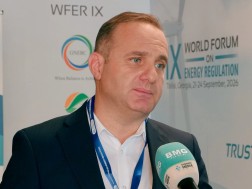


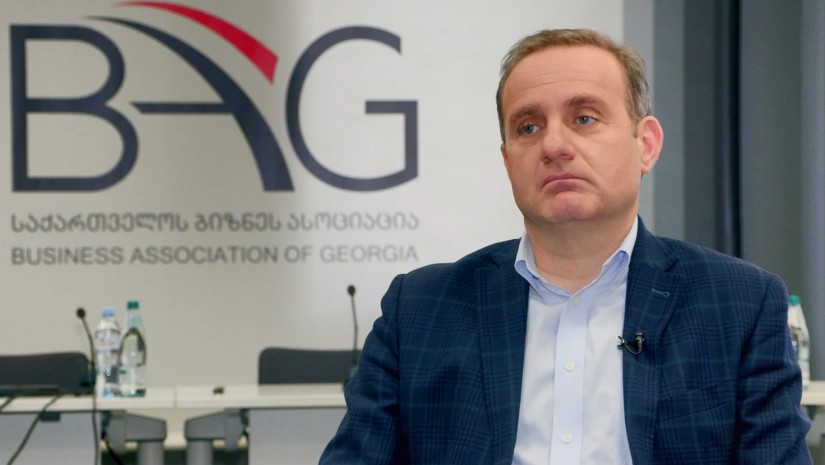

Levan Vepkhvadze, Executive Director of the Georgian Business Association, comments on the government's decision to postpone the plastic bottle ban for four years. He believes that this period should be fully utilized to implement a comprehensive approach, particularly through the Extended Producer Responsibility (EPR) model, which encompasses the management of all packaging materials. According to Vepkhvadze, the implementation of this model within four years is entirely feasible and would provide a viable alternative to the plastic bottle ban.
Vepkhvadze emphasizes that while the ban’s delay is beneficial, the focus should be on adopting a more holistic approach to waste management, especially concerning microplastics. He asserts that the four-year timeframe, as recommended in various global studies, is sufficient for the model to be developed and implemented. If successful, the government might reconsider its stance on the plastic bottle ban.
He also highlights that the implementation of EPR, which includes technical regulations for packaging materials and waste management, should be operational within two to three years. This would demonstrate that the system works effectively, paving the way to revisit the ban and its feasibility.
In response to questions about the readiness to implement the necessary regulations for packaging waste, Vepkhvadze stresses that this process requires coordination between multiple ministries, including finance, economy, and revenues. He notes that while the task is complex, the business community is ready to engage constructively and help develop an effective solution.