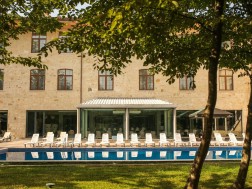



Hotel “Ginger” in Tbilisi, “Porta Caucasia” in Kazbegi, “Tskaltubo Plaza” in Tskaltubo, and “Rancho Variani” in Gori – these are the four properties that hotel management company KA Group added to its portfolio in 2025.
KA Group has operated in the market since 2018 and has so far been involved in around 30 hotel openings, management projects, and consulting services. Today, the company is one of the most active players in the hotel management sector in Georgia and Armenia. In Georgia, the group manages hotels in Tbilisi, Gudauri, Bakuriani, and the Sairme Hotels & Resort complex. Since 2025, it has also taken over management of four hotels in Yerevan.
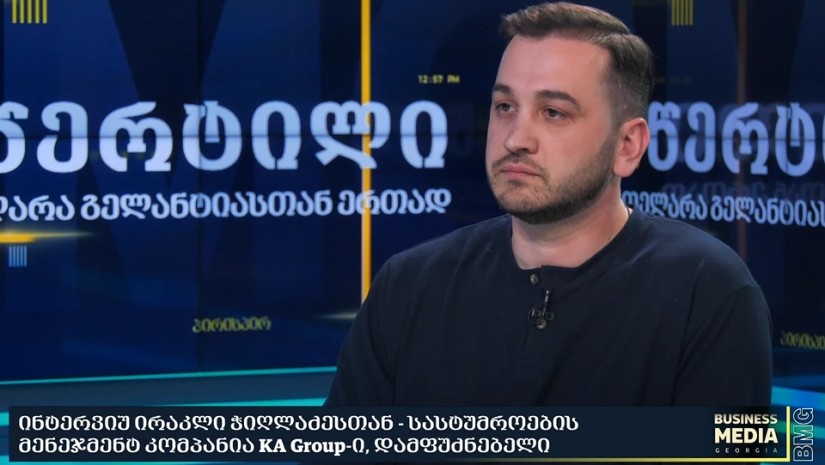
During an interview with BMGTV’s program “Tsertili”, KA Group founder Irakli Chighladze announced that the company plans to add one more hotel in Georgia in 2026.
“These hotels are located in tourist-heavy regions, and tour operators have consistently requested more properties in these areas. In 2026, given our resources, we will likely add only one new hotel — Akhaltsikhe Inn,” Chighladze said.
Chighladze noted that the hotel market in Yerevan is currently highly attractive for investors, largely due to the mismatch between high demand and relatively limited supply. While Tbilisi has 47 international-brand hotels, Yerevan has only eight, making hotel occupancy easier to maintain.
“We had a very strong year in Yerevan. Compared to Tbilisi, the growth in European tourists there was slightly higher in 2025. I hope Yerevan does not repeat the oversupply scenario that happened in Tbilisi, where investments surged between 2017–2019 and by 2022 the market became saturated,” he explained.
Discussing expectations for 2026, he said the main concern remains economic and geopolitical instability.
Asked what the hotel industry needs most to grow, Chighladze highlighted workforce and tax challenges:
“We need more qualified staff, and reduced income tax and VAT. This would give the sector the resources to grow even faster, considering how important tourism is for the country’s economy.”