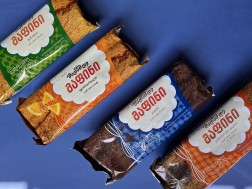




Aleksandre Ratishvili, director of the bakery and confectionery company MBC Georgia, says the smallest potential for price reductions lies in locally produced goods. Speaking to BMG about the retail sector’s recent initiative, he explained that local manufacturers are heavily dependent on imported raw materials and operate with minimal profit margins.
According to Ratishvili, 99% of the ingredients used in bread and confectionery production - such as flour, sugar, and margarine - are imported, with prices changing almost weekly. Since these fluctuations are beyond the producers’ control, the cost of imported materials is directly reflected in production costs. Despite this, companies avoid adjusting prices frequently, often absorbing losses. For this reason, he says, local production has the least flexibility for lowering prices.
Ratishvili emphasized that price reductions are possible if retail chains revise the commercial conditions they impose on producers. These conditions, he noted, significantly affect supply prices and ultimately influence the final price for consumers. Lowering or easing these requirements would immediately allow producers to reduce prices.
“There is definitely room for price reductions,” Ratishvili said, “but only if the commercial terms between local producers and retailers are reviewed and eased. If that happens, we are ready to react instantly and lower prices.”