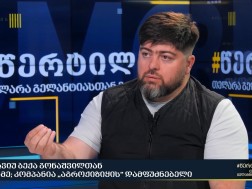


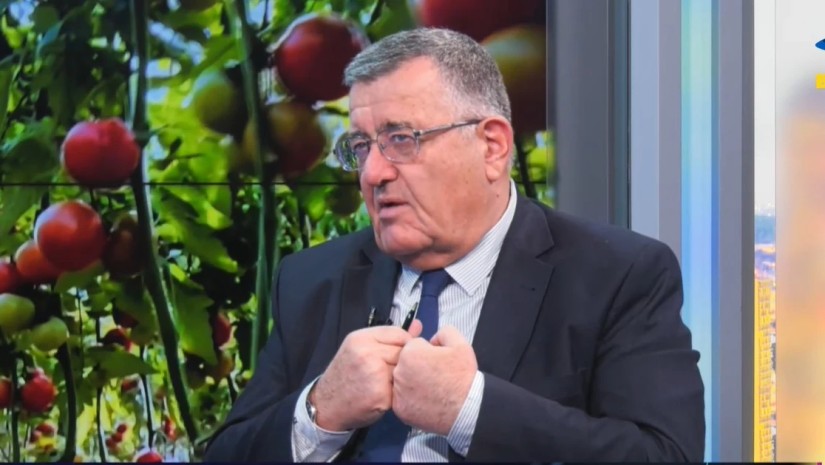

Former Deputy Minister of Agriculture and managing partner of “Agro-1959”, Gela Khanishvili, says the government’s new agricultural co-financing model — based on a “spend first, then receive support” approach — could make access to finance more difficult for farmers.
According to Khanishvili, the biggest challenge lies in dealing with commercial banks. Under the previous “Preferential Agro Credit” scheme, the state participated from the start by subsidizing interest rates and reducing bank risk. In the new model, however, farmers must first secure full financing from banks on their own before receiving state support after project completion.
He explains that this significantly increases pressure on borrowers. “The bank must be convinced to issue the full amount — for example, GEL 4 million — and will require collateral and guarantees. Previously, the state co-financing reduced the risk, making banks more willing to lend. That system worked successfully,” he said, adding that current bank requirements remain strict and heavily controlled, both financially and administratively.
Khanishvili also noted that it is still unclear how banks will align with the new system and whether it will ultimately improve or worsen conditions for farmers. The new agricultural co-financing model will be introduced from July 1, under which projects will first be assessed by the ministry, and only then will commercial banks be involved to evaluate financial risks.