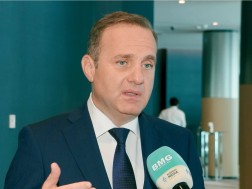


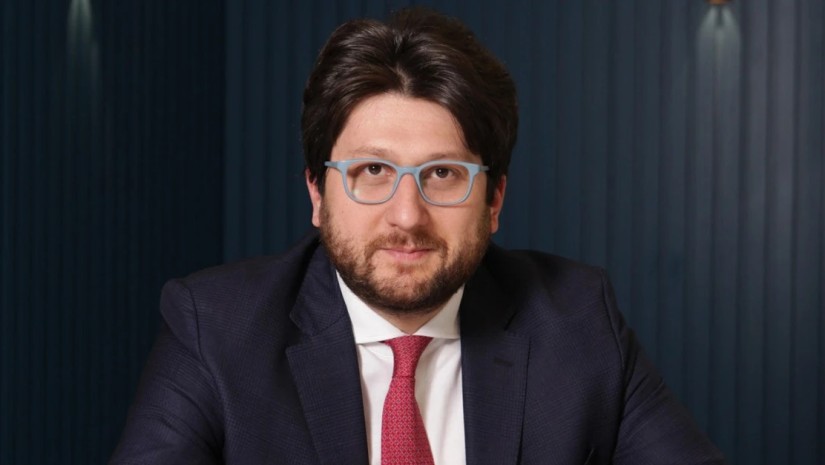

Nika Kurdiani, General Director of TBC Uzbekistan, declares that the banking sectors of Georgia and Uzbekistan differ significantly in structure, ownership, and technological advancement. In an interview with BMG, Kurdiani noted that while a few large players dominate Georgia’s banking market, Uzbekistan’s sector is more diversified and less concentrated. “If the Georgian market is defined by its top two or three banks controlling around 80% of the market, this is not the case in Uzbekistan,” he explained. “There are 33 banks in Uzbekistan, with the largest holding only about 10% of the market.”
Kurdiani emphasized that another major distinction lies in ownership patterns. About 60% of the Uzbek banking market is made up of state-owned banks, a model not present in Georgia. “These banks have different missions,” he said. “Their purpose is to support specific sectors of the economy, as the government implements many of its programs through them.” He added that this structure shapes the country’s financial priorities and contributes to a unique competitive landscape compared to Georgia’s entirely privately-owned banking system.
Population size also plays a key role in defining the two markets. With around 38 million residents, Uzbekistan’s large and growing population creates a vastly different customer base and potential for expansion. Kurdiani highlighted that Georgia’s banks are more advanced in terms of digitalization, relying heavily on online channels, while Uzbekistan’s banking services remain largely branch-based. “We are one of the only digital banking applications of this scale in Uzbekistan,” he said. However, he also noted that Uzbekistan has made remarkable progress in digitalizing government services, an area where it may even outpace Georgia.
In his broader assessment, Kurdiani pointed out that while Uzbekistan’s overall development level may still trail Georgia’s by several years, its rapid economic growth—averaging 6–7% annually—positions it as a dynamic emerging market. The country’s demographic trends are also striking: the population grows by about one million people each year, and the average age is steadily decreasing. “Uzbekistan is getting younger every year, which is quite rare globally,” Kurdiani remarked. “It’s a very different market, and success here requires rethinking many traditional approaches.”