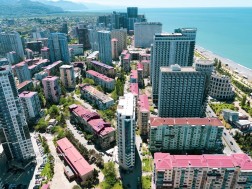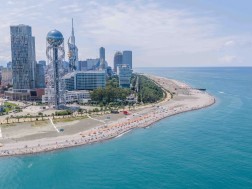


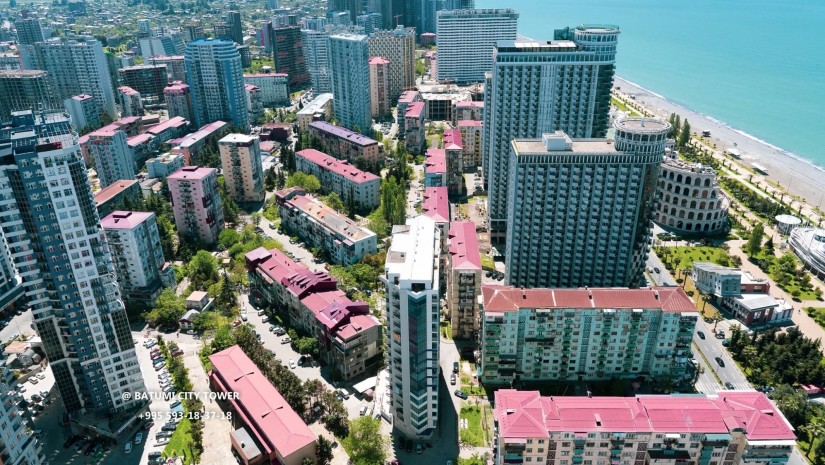

Batumi’s real estate market is entering a phase of structural strain driven by oversupply and weakening returns, according to tourism and property expert Temur Diasamidze. Speaking to BMGTV, he said the city’s long-standing appeal as a fast-growing investment hub is now facing serious challenges due to uncontrolled construction activity and the lack of long-term urban planning.
Diasamidze noted that around 85% of apartment purchases in Batumi are investment-driven, compared to about 20% in Tbilisi, which has fueled rapid supply growth. Over the past 4–5 years, the number of apartments has roughly doubled, intensifying competition and pushing prices downward, especially in the rental segment where identical units compete mainly on price.
He warned that rental yields are already declining from an expected 10–12% to around 6–8%, while oversupply is set to worsen as tens of thousands of new units enter the market in coming years. Diasamidze also pointed out that Batumi is increasingly becoming a short seasonal tourism city, limiting income opportunities mainly to July and August.
The expert further highlighted risks from weak long-term planning and growing competition from foreign migrant-run rental networks. He argued that without clearer development strategies and infrastructure readiness, large-scale projects could deepen market imbalances and reduce Batumi’s competitiveness compared to more structured international destinations.