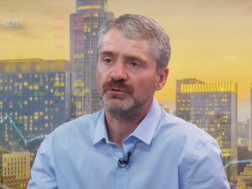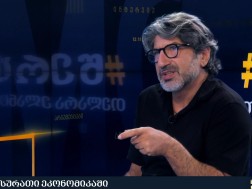


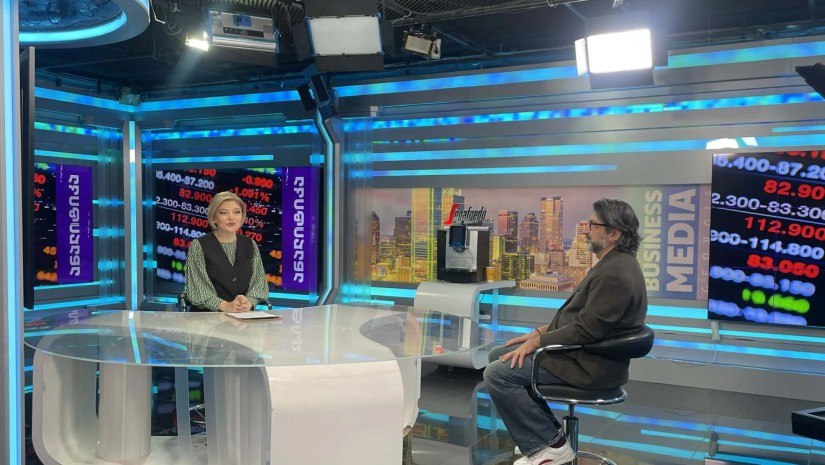

Political turbulence does affect the economy, but the real risks emerge over the long term rather than immediately, economist Vasil Revishvili said in an interview with TV-program “Analytics.” According to him, current political events do not pose a direct short-term threat to economic stability, but their cumulative effect gradually damages the country’s long-term economic outlook.
“I don’t see an immediate risk; the idea that the economy will collapse tomorrow because a former prime minister is on trial is unrealistic,” he noted. “However, all of these developments add up and worsen the long-term picture.”
Revishvili also explained why Georgia’s economic growth has slowed from double-digit to single-digit levels. He emphasized that the low post-Covid base effect largely drove the previous high growth, and that the decline is natural as the base effect fades. Additional contributing factors include the IT sector’s stabilizing output, which will continue but might not boost growth further.
A key reason for the slowdown, he added, is the reduction in infrastructure spending. “Many infrastructure projects were halted due to major changes this year, and the impact will become noticeable from December and into the first half of next year,” Revishvili said. While short-term risks remain limited, he warned that prolonged political uncertainty and weakened investment activity could weigh heavily on Georgia’s long-term economic prospects.