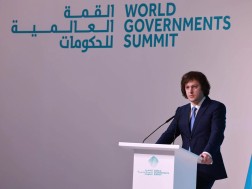


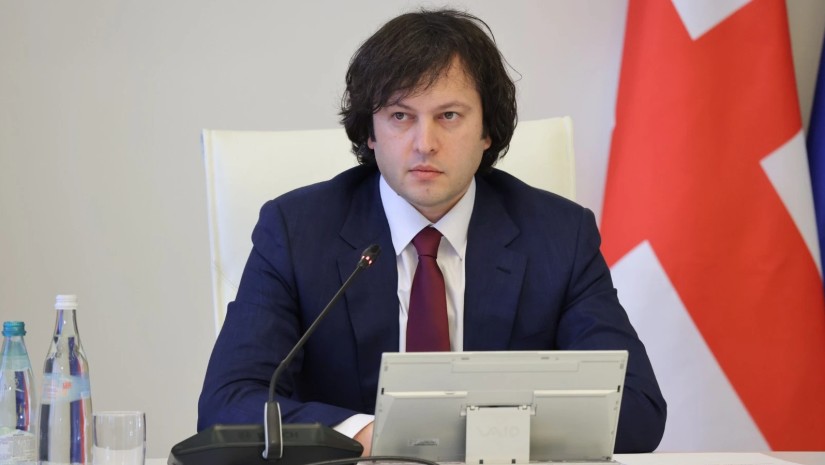

GD Prime Minister Irakli Kobakhidze has announced a major policy shift regarding substitution therapy programs in Georgia, including a complete ban on their implementation by private entities and the relocation of methadone clinics from densely populated areas.
Speaking at a briefing today, Kobakhidze emphasized growing public concern that some private providers misuse substitution therapy, intended to treat drug addiction, as a means of legally distributing narcotic substances for profit.
“As is known, substitution therapy uses drugs such as methadone and buprenorphine. There is a well-founded assumption in society that the services provided by private companies, in many cases, aim not to cure the patient but to legally supply them with narcotic substances,” Kobakhidze stated.
According to GD Prime Minister, private companies' commercial interests pose a direct conflict with the goal of patient rehabilitation.
“When a private company has a financial incentive to maximize the distribution of these substances, there is a clear risk that the focus shifts from recovery to distribution. Such practices must be fully eliminated,” he said.
As a result, the government has decided that only state institutions will be authorized to operate substitution therapy programs going forward. Kobakhidze stressed that the state must take full responsibility for what he described as “high-risk medical activities”, ensuring uniform standards and strict oversight.
Additionally, Kobakhidze has instructed the Minister of Health to relocate all state-run substitution therapy infrastructure currently located in densely populated areas, citing residents' dissatisfaction and the potential social impact.
“Control over state programs will be tightened. It will be ensured that every service genuinely focuses on the patient's fastest possible recovery, not on enabling so-called legal addiction,” he added.
The relocation process is to begin immediately, with the Prime Minister urging swift action to move treatment facilities out of urban centers and into more appropriately zoned areas.
This policy shift marks a significant change in Georgia’s approach to drug rehabilitation and is expected to generate debate among healthcare professionals, addiction specialists, and civil society advocates concerned about access to treatment and human rights compliance.