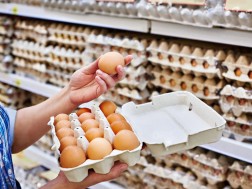


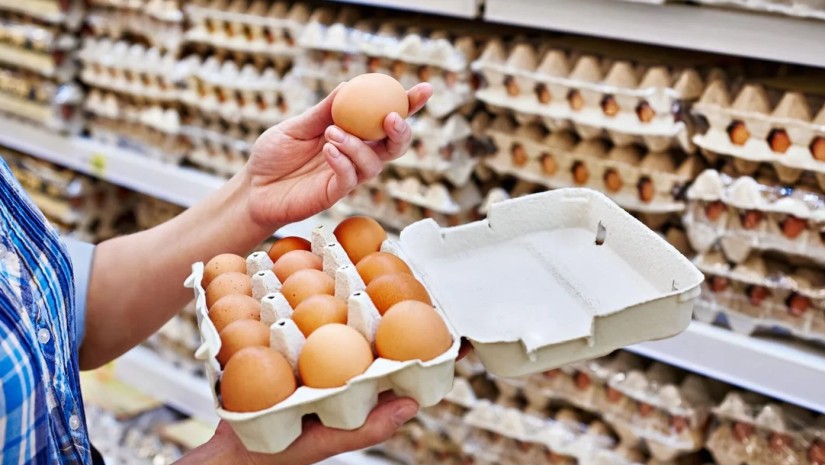

The planned ban on plastic packaging will lead to higher product prices, says Zurab Uchumbegashvili, head of the Poultry Development Association. According to him, switching egg packaging from plastic to cardboard poses two major challenges: significantly higher costs and consumer behavior, since Georgian buyers typically open the box to inspect eggs - a practice that often results in breakage when using cardboard containers.
Uchumbegashvili notes that cardboard packaging is not produced locally, forcing businesses to import it from countries like Bulgaria and Türkiye, which directly increases production expenses. While he cannot yet specify the exact price increase, he says it will be unavoidable, drawing a comparison to the large price gap between plastic and glass bottles.
The restrictions will also affect meat product packaging. Uchumbegashvili adds that some materials used for meat may be exempt due to their specific composition and warns against imposing an immediate, blanket ban. He points out that in many European countries, certain foods are still sold in plastic containers without health risks.
Businesses now await clearer details and realistic timelines from the ministry to adjust their production processes. Under the draft government decree, starting February 1, 2027, the production, import, and sale of plastic-packaged food will be banned, except for sunflower oil and drinking water in containers of 10 liters or more. The ministry says the goal is to reduce plastic pollution.