


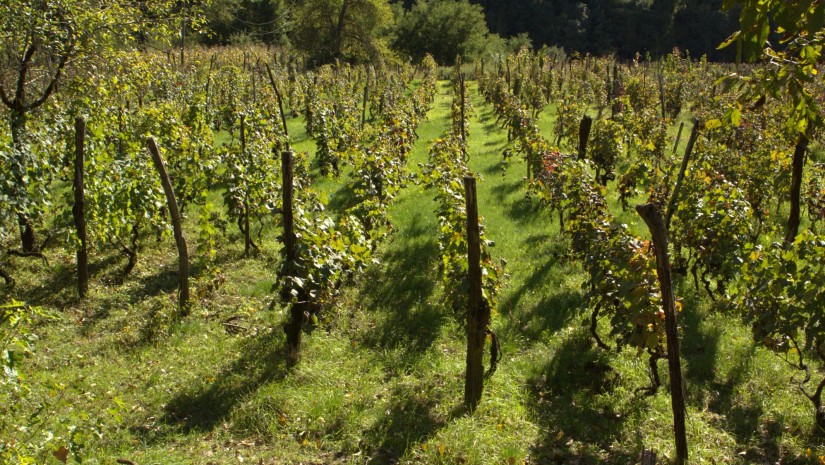

Former head of the National Wine Agency, Giorgi Samanishvili, says the decision to introduce permits for commercial vineyard planting is rushed and will likely contain significant mistakes. Speaking on TV-program Analytics, he warned that many risks remain unclear, particularly the criteria that will determine whether a farmer receives approval or is denied.
Samanishvili noted that vineyard owners are already required to submit mandatory declarations to the Wine Agency after planting, and the newly introduced permit adds another layer without clear justification. He stressed that no one has yet explained what objective grounds could be used to refuse permission. One of the biggest risks, he said, is the potential requirement for certified seedlings, which Georgia is not ready for and which could threaten many local grape varieties.
He also pointed out that the European Union does not require Georgia to adopt such a permit system. In the EU, planting new vineyards is banned solely due to overproduction, which is not the case in Georgia. According to Samanishvili, the lack of clarity suggests that even within the Ministry of Agriculture and the Wine Agency there is ongoing disagreement about what should be written into the final regulation.
Additional concerns include the possibility of subjective decision-making and the risk that the permit could later become a paid process. Under recently approved amendments, anyone planting a new commercial vineyard must obtain approval from the National Wine Agency, but the law does not yet define the criteria. These rules must be issued by the Agriculture Minister, Davit Songulashvili, before May 1.