


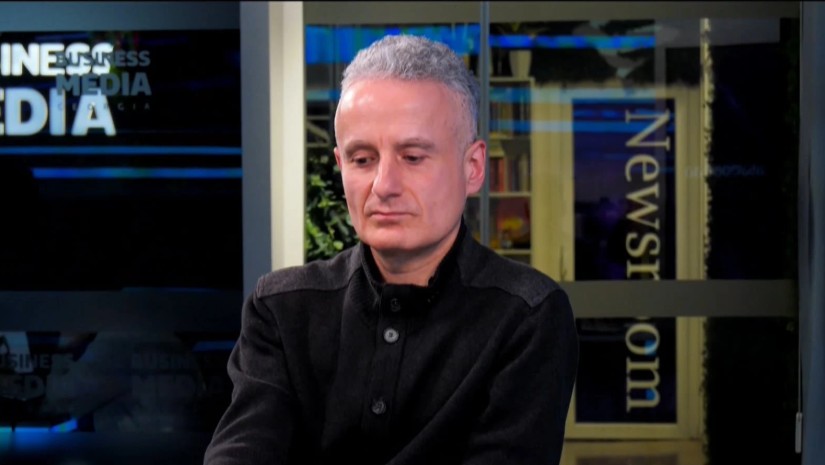

Georgian government has initiated the process of early buyback of the $500-million Eurobond issued in 2021 and the placement of new debt. Stemscale CEO Mikheil Kukava describes this step as a “preventive necessity,” but stresses that external debt servicing is becoming significantly more expensive for the country.
As he explained to BMG, the decision to refinance Eurobonds is timely, allowing Georgia to avoid the so-called “debt wall” expected in April. According to him, Georgia enters this process from strong macroeconomic positions - with 5% growth and more than $6 billion in reserve buffers.
However, Kukava emphasizes the main challenge: a sharp increase in interest rates. While the coupon on the 2021-issued Eurobond was 2.75%, the expected rate for the new bonds will likely fall in the 5.3%–5.9% range.
“The downside is that debt servicing becomes significantly more expensive. The rise in rates practically doubles the interest burden. Although the Ministry of Finance highlights the reduction of the risk premium, they cannot escape global reality. The era of cheap money in Georgia has officially ended,” Kukava told BMG.
He added that despite the involvement of major global banks (Citigroup, J.P. Morgan, Société Générale, and others), which guarantees high-quality execution, there are factors beyond the Finance Ministry’s control.
“The main risk is potential overpricing. Geopolitical instability and low trust in the quality of our democracy may deter conservative investors. This could push the rate closer to the 6% threshold,” Kukava noted.
He also pointed out the foreign-exchange risk, since servicing dollar-denominated debt directly depends on budget revenues collected in lari.
According to current projections, considering that the U.S. 5-year Treasury yield stands at 3.82% and Georgia’s likely spread is 1.5%–2%, the new Eurobonds are expected to be issued at around 5.5%.
The Georgian government plans to complete the buyback operation of the Eurobond maturing in April 2026 by January 28. Alongside international banks, Georgia’s Galt & Taggart and TBC Capital are also involved in the process.