


Georgia’s national strategy aims to increase fish production fivefold by 2028, reaching more than 10,000 tons annually. Currently, local production stands at only 2,500 tons, according to Geostat’s 2024 data. FAO’s Senior Policy Advisor Juba Maruashvili says achieving this goal will require stronger state support, including financial assistance and subsidies.
Maruashvili notes that along with boosting output, the sector must focus on food safety and quality standards to ensure competitiveness both at home and abroad. He warns that challenges such as water quality, feed supply, and disease management could hinder progress if not addressed. While aquaculture zones have already been designated in the Black Sea, he says both marine and freshwater systems face their own difficulties.
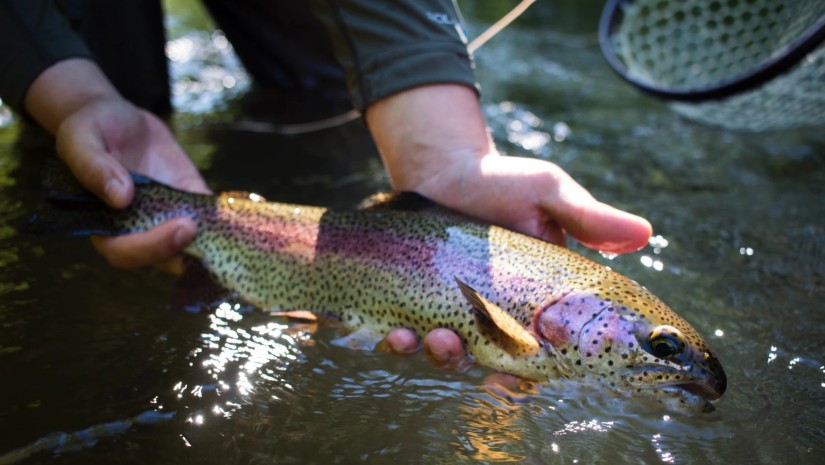
Compliance with international safety standards is essential for expanding exports. Currently, the EU imports only anchovy and fish meal from Georgia, but the long-term goal is to export species like trout. “We are close to accessing EU markets,” Maruashvili says, “but meeting strict safety and quality benchmarks is critical.”
Despite efforts to expand local production, Georgia remains largely dependent on imports. In the first quarter of 2024, the country imported $2.6 million worth of fish — a multi-year high — with Turkey supplying the majority.