


After enduring what it describes as the most difficult winter since opening, the boutique hotel Shota Rustaveli in Tbilisi has begun to recover, with occupancy rates rising in the second quarter of 2025.
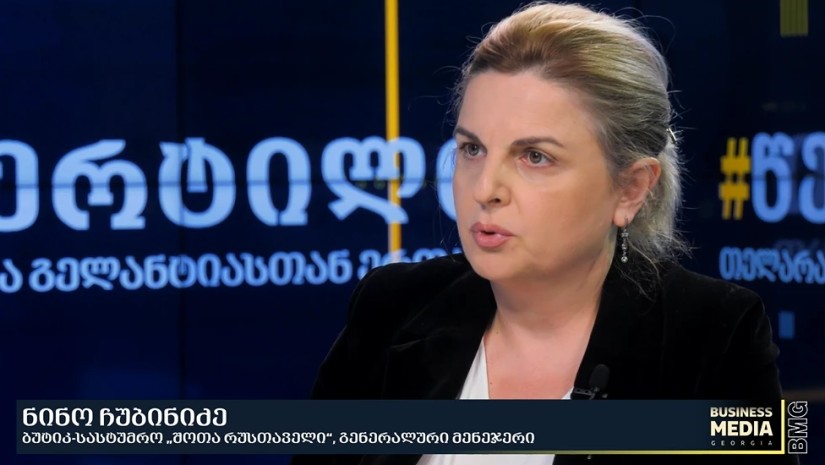
Speaking to BMGTV, the hotel’s General Manager Nino Chubinidze described the early months of the year as a near-collapse for the business, brought on by large-scale political protests and a lack of engagement from government decision-makers.
“We have been operating for nine years, and this was the hardest winter we’ve ever faced. It’s better not to even mention the first quarter. Since March, things began to improve, we started rebuilding from the collapse,” Chubinidze said.
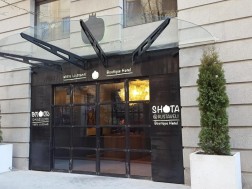
Located on Shevchenko Street with its main entrance from Chichinadze Street, Shota Rustaveli is a 55-room boutique hotel positioned in the heart of the capital. However, this central location became a liability between November 2024 and February 2025, when prolonged political protests paralyzed the area.
“We were on a battlefield,” Chubinidze recalled, referring to the protest-affected winter months that decimated occupancy and led to serious financial strain, including difficulty covering staff salaries.
Chubinidze also criticized the government’s economic team for failing to engage with hospitality businesses during the crisis.
“Unfortunately, they didn’t listen to us. It wasn’t just a problem for one or two hotels, it was a market-wide issue. No one reached out. I was never invited to any meetings. Perhaps someone else was, but I was not.”
Despite the grim start to the year, the hotel saw positive trends in the second quarter. From April to June, Shota Rustaveli was once again able to cover its operational expenses without external assistance.
“Compared to April last year, our occupancy rate was up 7%. May also brought strong performance, although it's difficult to compare it to May 2024 because of the demonstrations,” said Chubinidze.
However, the hotel’s recovery remains fragile. Shota Rustaveli primarily receives guests from Israel and Russia, two markets that continue to face geopolitical instability.
“When the Israeli-Iranian conflict flared up, bookings were immediately canceled. As for Russia, there are frequent flight disruptions and ticket shortages due to security concerns,” she noted.
Looking ahead, Chubinidze expressed hope for a solid summer and fall season, but remained skeptical about what lies beyond.
“We hope for tourists in the summer and autumn, and for Shota Rustaveli too, but winter? I fear we’ll be back to a fight for survival without rules,” she said.