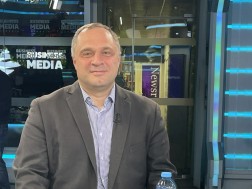







The Middle Corridor, a vital trade route linking Asia and Europe through Georgia, cannot reach its full potential without the development of the Anaklia Deep-Sea Port, according to Giorgi Japaridze, General Director of ITMC. Speaking on TV program “Analytics”, Japaridze emphasized that Georgia’s infrastructure and limited cooperation between the public and private sectors are key obstacles preventing the country from capitalizing on its strategic location.
“Georgia’s role in the Middle Corridor is of strategic importance,” Japaridze said. “The corridor can bring significant economic benefits through increased transit revenues, job creation, investment inflows, and the development of logistics services. However, to achieve this, we must address our infrastructure challenges.” He highlighted the need for modern customs terminals, expanded port capacity, and railway modernization, noting that the country’s rail system and rolling stock are outdated.
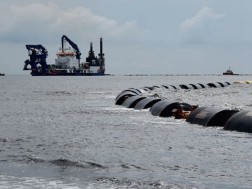
Japaridze stressed that a deep-sea port is an essential component of the Middle Corridor’s success. “In Georgia’s case, that port is Anaklia,” he said. “There’s been much discussion, but few concrete steps. Construction of the Anaklia Port must begin as soon as possible, otherwise, we risk losing both economic benefits and our international reputation.”
In addition to infrastructure issues, Japaridze pointed to a serious shortage of skilled personnel in the logistics sector. “If the corridor develops, companies like ours will adapt, improving service quality and encouraging more people to train and work in logistics,” he explained. “Georgia has tremendous potential, but unless we act quickly and strategically, this opportunity could be lost—for both the public and private sectors.”