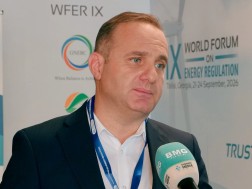


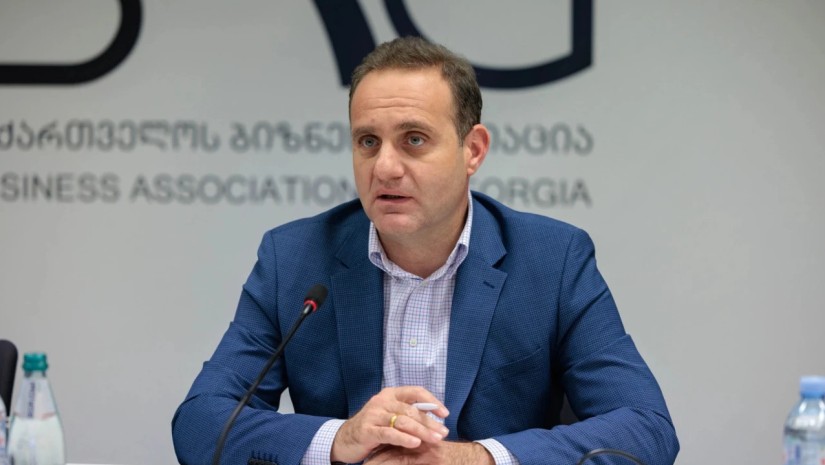

Levan Vepkhvadze, Executive Director of the Business Association of Georgia, says it is likely that household electricity tariffs will need to rise after remaining unchanged for three years. According to him, both infrastructure degradation and increased electricity import costs are creating strong pressure for higher prices. He warns that without timely investment, the system might not withstand growing demand.
Vepkhvadze explains that Georgia’s outdated transformers and distribution networks are already overloaded, and delaying upgrades could lead to electricity outages within five years. He adds that although a 3–5 tetri increase might seem difficult now, postponing investments would make future problems far more costly and disruptive.
He also notes that tariff growth is driven by market conditions: the share of imported electricity has risen sharply, pushing purchase prices higher. Alongside this, distribution companies need investment funds to modernize infrastructure - something that was hindered when tariffs were reduced by 3 tetri in 2023.
GNERC is expected to decide on temporary tariff adjustments at the end of March. Although the commission originally planned a full review in late 2026, its chairman has repeatedly signaled that price increases are inevitable due to infrastructure needs. For now, tariffs remain unchanged for a three-month extension, pending the final decision.