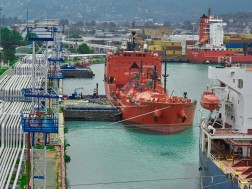


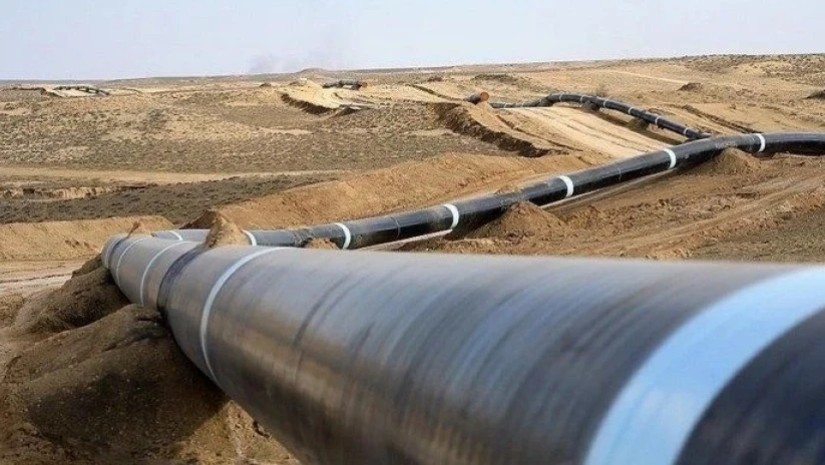

In the first quarter of 2026, the Baku–Tbilisi–Ceyhan (BTC) oil pipeline transported 6 million tonnes of crude (49 million barrels), according to BP-Azerbaijan. Oil and condensate delivered through the pipeline were loaded onto 65 tankers at the Ceyhan terminal. Alongside volumes from the ACG field and Shah Deniz condensate, BTC also continued transporting crude produced by SOCAR, as well as oil shipped from Kazakhstan and Turkmenistan.
BP-Azerbaijan reports that BTC’s operating costs reached USD 30 million in Q1 2026, down 6.2% year-on-year. In contrast, capital expenditures surged to USD 28 million, marking a 2.2-fold increase compared to the same period in 2025. The company did not specify which projects or upgrades drove the rise in capital spending.
Since the pipeline became operational in June 2006, BTC has transported roughly 626 million tonnes of crude - equivalent to about 4.7 billion barrels - by the end of March 2026. The pipeline remains one of the most strategically important export corridors for Caspian Basin oil.
BTC Co.’s shareholders include SOCAR (32.97%), BP (30.1%), MOL (8.90%), TPAO (6.53%), Eni (5%), TotalEnergies (5%), Itochu (3.40%), Inpex (2.5%), ExxonMobil (2.5%), and ONGC (3.1%).